

 8613480627251
Pharmaceutical wastewater originates from diverse sources and typically contains high concentrations of organic matter, including aromatic compounds, heterocyclic compounds, and various recalcitrant, biologically active substances. Wastewater characteristics vary significantly depending on the production process; in particular, wastewater from chemical synthesis often contains organic pollutants with high chemical stability, which are difficult to degrade completely through conventional biochemical treatment.
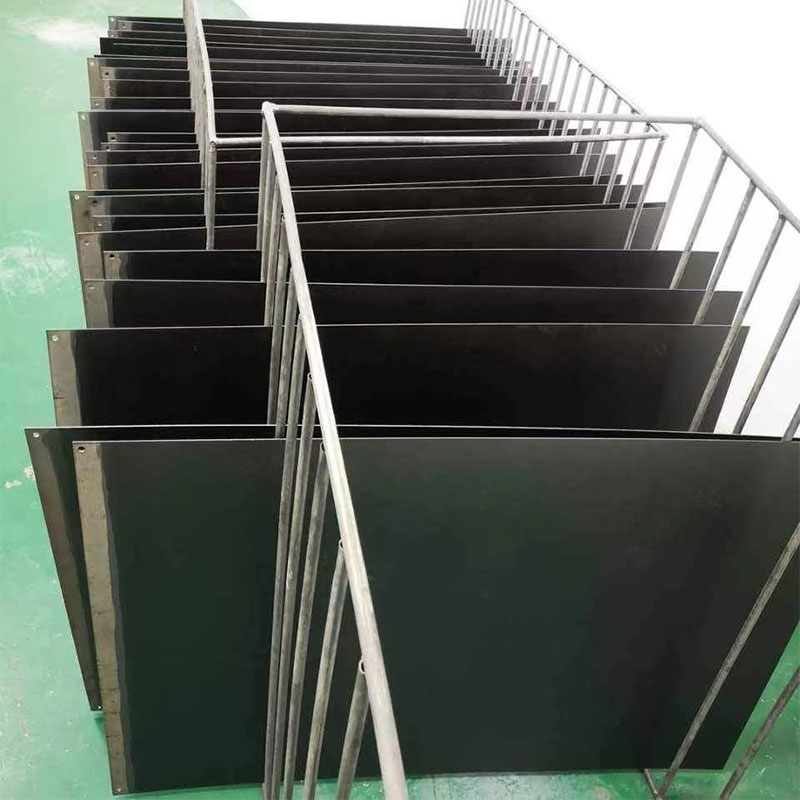
As environmental discharge standards become increasingly stringent, pharmaceutical wastewater treatment is no longer limited to reducing chemical oxygen demand (COD). It must also address the removal of recalcitrant organic compounds and the ecological risks posed by the treated effluent. Electrochemical advanced oxidation technologies leverage oxidation reactions occurring at electrode surfaces to treat these persistent pollutants. In this context, titanium anodes—used in industrial wastewater treatment—serve as critical functional components that dictate both the efficiency of electrochemical reactions and operational stability.
I. Hydroxyl Radical Oxidation: Breaking Down the Molecular Structure of Recalcitrant Organic Compounds
Many recalcitrant organic compounds in pharmaceutical wastewater feature benzene rings, heterocyclic rings, or fused-ring structures. These stable molecular configurations make them resistant to conventional biochemical treatment. Electrochemical advanced oxidation, however, utilizes anodic oxidation to generate highly reactive oxidizing species under specific conditions, thereby facilitating the decomposition of these pollutants.
Among these, the hydroxyl radical (·OH) is a key reactive species. Possessing a high oxidation potential, it can attack organic pollutant molecules through mechanisms such as hydrogen abstraction, addition reactions, and electron transfer.
For organic compounds containing aromatic rings, phenolic hydroxyl groups, or heterocyclic structures, hydroxyl radicals can disrupt their conjugated systems. This process breaks down complex molecules into smaller organic intermediates, which—under appropriate reaction conditions—can undergo further oxidation, ultimately achieving deep degradation or even complete mineralization.
In this process, the titanium anode primarily provides the interface for anodic reactions. The composition and electrochemical properties of its surface coating influence competing reactions, such as the oxidation of water molecules, the generation of reactive oxygen species, and the oxygen evolution reaction. Since different types of titanium anodes vary in their capacity to generate hydroxyl radicals, the selection of an appropriate electrode material must be based on the specific target pollutants and the chosen treatment process. The actual treatment performance is influenced by factors such as the chemical oxygen demand (COD) concentration of the wastewater, the structure of the pollutants, pH value, current density, electrolysis duration, and mass transfer conditions within the aqueous medium.
II. Electrode Materials and Coatings: Adapting to the Complex Composition of Pharmaceutical Wastewater
The characteristics of pharmaceutical wastewater vary significantly depending on the specific sub-sector. For instance, wastewater from fermentation processes typically exhibits high organic concentrations and substantial fluctuations in composition, while wastewater from chemical synthesis may contain aromatic compounds, halogenated organic substances, and residual organic solvents. These complex components impose stringent requirements on the corrosion resistance, catalytic activity, and coating stability of the electrodes.
Titanium anodes used in industrial wastewater treatment generally employ commercially pure titanium as a substrate. This substrate undergoes pre-treatment—such as sandblasting and acid pickling—followed by the application of a functional surface coating via processes like coating deposition and thermal decomposition. Common electrode configurations include titanium plates, meshes, expanded meshes, and tubular electrodes, which can be designed according to the specific structure of the electrolytic cell and the scale of the treatment operation.
Regarding coatings, typical systems include mixed metal oxides (MMO) based on noble metals such as ruthenium and iridium, as well as other composite oxide coatings. Different coatings exhibit distinct electrochemical properties concerning oxygen evolution, chlorine evolution, and the oxidation of organic matter.
It is important to note that not all MMO-coated titanium anodes are suitable for advanced oxidation processes (AOPs) that rely primarily on hydroxyl radicals. Some coatings may preferentially promote chlorine or oxygen evolution reactions, which can diminish the generation efficiency of the desired active species. Therefore, the selection of electrodes should be based on a comprehensive assessment of factors such as the chloride ion concentration in the wastewater, the nature of the target pollutants, and the underlying reaction mechanisms.
Furthermore, during long-term operation, the adsorption of organic matter, the deposition of inorganic salts, and the formation of scale on the electrode surface can reduce the effective reaction area and impair current efficiency. Proper electrode design, careful control of operational parameters, and regular maintenance are essential for ensuring the stable performance of the system.
III. Reducing Residual Organic Pollutants: Balancing COD Removal with Ecological Risk Control
The treatment of pharmaceutical wastewater must not only meet standard discharge requirements—such as those for COD and color—but also address the potential ecological impacts posed by persistent organic pollutants and their transformation byproducts. Conventional biochemical treatment is effective at removing readily biodegradable organic matter; however, its efficacy is often limited when dealing with certain aromatic compounds, heterocyclic compounds, and biologically active residues.
Electrochemical advanced oxidation processes (EAOPs) generate reactive oxidizing species via anodic reactions. These species can break down the molecular structures of recalcitrant organic compounds, enhancing their biodegradability and facilitating subsequent biochemical treatment. In well-designed systems, this can also further reduce the residual levels of organic pollutants.
For pharmaceutical wastewater containing antibiotics and other biologically active substances, electrochemical oxidation can disrupt the critical molecular structures of these compounds, thereby reducing their biological activity. It should be noted, however, that the disappearance of the parent pollutant does not necessarily eliminate ecological risk, as some oxidation intermediates may still possess a degree of toxicity. Consequently, practical engineering applications should incorporate the monitoring of target pollutants, toxicity assessments, and appropriate downstream treatment processes to ensure the quality of the final effluent.
IV. Engineering Applications: Selecting Appropriate Treatment Strategies Based on Wastewater Type
In regions with a high concentration of pharmaceutical industries, wastewater treatment strategies are shifting from a focus on single-parameter pollutant control toward the removal of recalcitrant organic matter and the management of ecological risks. Electrochemical advanced oxidation using titanium anodes offers advantages such as flexible operating conditions, ease of automation, and the in-situ generation of reactive oxidizing species, making it a viable option for the advanced treatment or pre-treatment of pharmaceutical wastewater.
In practical projects, the following factors should be prioritized:
1. Wastewater Characterization: Determine parameters such as COD, salinity, pH, target pollutants, and any other constituents that may influence electrode reactions.
2. Electrode Coating Selection: Choose an appropriate titanium anode coating system based on the intended oxidation pathway and specific water quality conditions.
3. Electrolytic Parameter Control: Optimize variables such as current density, electrolysis duration, inter-electrode spacing, and hydraulic retention time.
4. By-product Management: Monitor the formation of active chlorine and other oxidation by-products—particularly in chloride-containing wastewater—to prevent the emergence of new environmental risks.
5. Integrated Process Design: Combine electrochemical oxidation with other treatment methods—such as biochemical treatment, coagulation-sedimentation, activated carbon adsorption, or other advanced treatment processes—tailored to specific treatment objectives. For pharmaceutical companies operating internationally, electrochemical treatment systems offer advantages such as modular equipment design, adjustable operating parameters, and a high degree of automation. However, the actual performance must be verified through water quality analysis and pilot-scale testing; the treatment capacity of the entire system cannot be determined solely based on the specifications of the electrode materials.
V. Recycling of Scrap Titanium Anodes: Enabling the Circular Use of Precious Metal Resources
During long-term electrolytic operations, the precious metal oxide coating on the surface of titanium anodes gradually degrades, which can lead to reduced catalytic activity, localized peeling, and lower current efficiency. When an electrode can no longer meet production requirements, it typically necessitates maintenance, recoating, or replacement.
Spent MMO (Mixed Metal Oxide) titanium anodes, ruthenium-iridium coated titanium meshes, titanium plates, and other electrode scrap containing precious metals often retain valuable elements—such as ruthenium and iridium—that can be recovered and reused.
Dongguan J&F Precious Metal Trading Co., Ltd. specializes in the recycling of titanium anodes and industrial precious metal scrap. Our recycling scope includes spent MMO titanium anodes, ruthenium-iridium coated titanium meshes, platinum-plated titanium plates, titanium tubular electrodes, and other electrode materials containing ruthenium, iridium, or platinum. We provide comprehensive assessments based on material specifications, coating types, actual quantities, usage condition, and testing results, offering professional precious metal recovery services to enterprises in the pharmaceutical, chemical, and industrial wastewater treatment sectors.