

 8613480627251
Wastewater generated during machining processes—specifically from cutting fluids—typically contains emulsified oils, surfactants, suspended solids, and certain heavy metal ions. This wastewater is characterized by a complex composition, high emulsion stability, and significant treatment difficulty. Traditional chemical demulsification methods require continuous dosing of chemical agents, which not only increases operating costs but also generates large volumes of oily sludge, placing a burden on downstream disposal processes.
In contrast, electrocoagulation technology utilizes electrochemical reactions to facilitate the separation of pollutants. It offers advantages such as reduced chemical dosage requirements and greater process flexibility. Titanium anodes serve as a critical component in electrochemical water treatment equipment; their performance directly influences the operational stability and treatment efficiency of the system.
I. How Does Electrocoagulation Treat Oily Cutting Fluid Wastewater?
In cutting fluid wastewater, oil droplets are typically shielded by surfactants, forming a stable oil-in-water emulsion. An electrical double layer exists on the surface of these droplets, causing them to repel one another and preventing natural aggregation or separation.
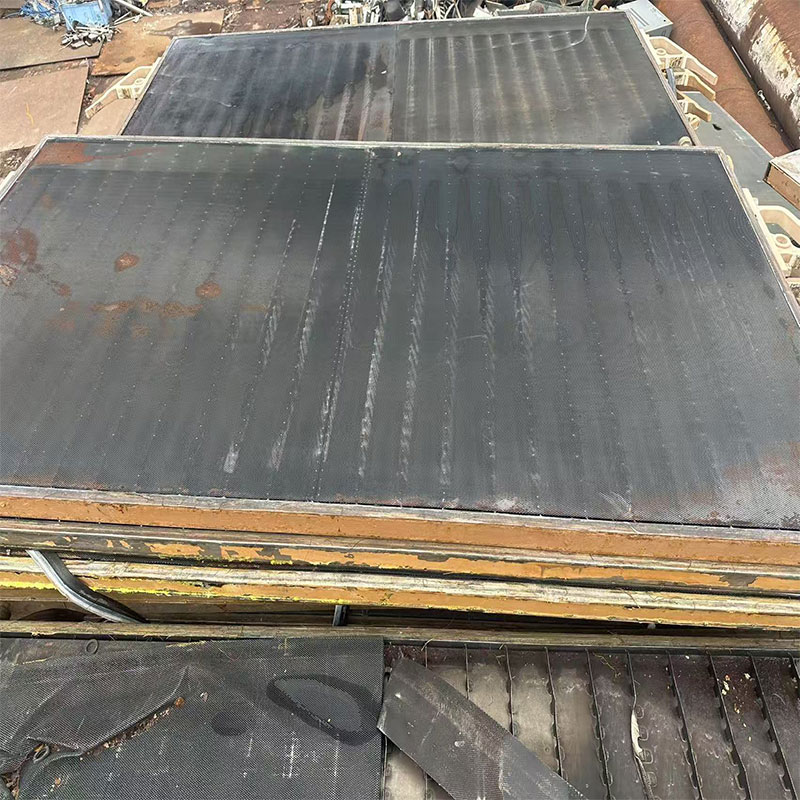
Electrocoagulation technology alters the electrochemical environment of the wastewater via an applied electric current. Simultaneously, soluble metal electrodes release metal ions—such as iron or aluminum—into the solution. These ions undergo hydrolysis to form metal hydroxide flocs. Through mechanisms including charge neutralization, adsorption-bridging, and enmeshment (sweep flocculation), these flocs destabilize the emulsion, causing fine oil droplets and suspended pollutants to aggregate, thereby facilitating their removal through subsequent sedimentation or flotation processes.
Titanium anodes primarily facilitate anodic oxidation reactions, providing a stable interface for electrochemical processes. Under specific electrode material configurations and operating conditions, the anode may also generate reactive species with oxidative properties, which can assist in the degradation of certain organic pollutants. However, the actual chemical oxygen demand (COD) removal efficiency depends on factors such as the type of coating, current density, and the specific composition of the wastewater; it should not be assumed that all titanium anodes possess identical oxidative capabilities.
II. Substrate and Coating Design for Titanium Anodes
Given the high oil content and complex pollutant profile of cutting fluid wastewater, electrodes must exhibit exceptional corrosion resistance and operational stability. In industrial electrochemistry, titanium anodes typically utilize commercially pure titanium (Grade 1 or Grade 2) as a substrate, offering excellent corrosion resistance, mechanical strength, and processability. Depending on the specific processing requirements, the surface is coated with noble metal oxides—such as RuO₂, IrO₂, or Ta₂O₅—to form a functional mixed metal oxide (MMO) coating.
Different coating formulations provide distinct electrocatalytic properties, allowing them to be tailored to the requirements of specific anodic reactions. An optimized coating design helps maintain electrode activity, reduces reaction overpotential, and enhances long-term operational performance.
It should be noted that organic matter and suspended solids present in oily wastewater can adhere to the electrode surface, negatively affecting current distribution and reaction efficiency. Therefore, in addition to selecting an appropriate coating, it is essential to implement pretreatment, regular cleaning, and careful control of operational parameters to minimize electrode fouling and performance degradation.
III. Operation, Maintenance, and Economic Value of Electrocoagulation Technology
Electrocoagulation systems allow for the adjustment of reaction intensity by controlling current, voltage, and treatment duration, enabling flexible parameter tuning based on the contamination level of the metalworking fluid (cutting fluid) wastewater. Compared to traditional chemical demulsification processes, electrocoagulation—under suitable operating conditions—can reduce the consumption of chemical agents, lower sludge production, and alleviate the burden of downstream sludge treatment.
While titanium anodes possess high structural stability and are well-suited for continuous industrial operation, their surface coatings inevitably degrade over time. The actual service life of an anode depends on factors such as water quality, operating current, temperature, and maintenance practices. Regular inspection of the electrode surface, monitoring of cell voltage, and timely removal of accumulated deposits are crucial for maintaining operational efficiency.
Overall, the combination of titanium anodes and electrocoagulation technology offers a viable solution for the treatment of metalworking fluid wastewater. In practical engineering applications, the selection of electrode materials and the design of the treatment process should be tailored to the specific characteristics of the wastewater—including oil content, degree of emulsification, heavy metal composition, and discharge requirements—to achieve an optimal balance between treatment performance and operating costs.
Dongguan J&F Precious Metal Trading Co., Ltd. specializes in the recycling of titanium anode scrap and precious metal-bearing waste. We provide comprehensive recycling assessments for materials such as spent MMO (mixed metal oxide) titanium anodes—including ruthenium-iridium coated titanium meshes, plates, and tubular anodes—typically generated by marine ballast water treatment systems. Through precise material identification, precious metal content analysis, and professional evaluation, we assist our clients in the efficient recovery and utilization of their spent electrode resources.