

 8613480627251
PEM (Proton Exchange Membrane) water electrolysis is an electrochemical technology that uses electrical energy to split water into hydrogen and oxygen. Compared to traditional alkaline water electrolysis, PEM electrolyzers offer advantages such as higher current density, faster response times, higher hydrogen purity, and a more compact design. They hold significant potential for applications in hydrogen production from renewable energy sources, industrial hydrogen generation, and energy storage.
The core of a PEM electrolyzer lies in the proton exchange membrane and its associated electrode materials. Because the internal operating environment involves acidic conditions, high electrical potentials, and specific pressure levels, the catalysts, bipolar plates, current collectors, and other critical components must meet rigorous performance standards. Titanium, in particular, has become a key material for bipolar plates and porous transport layers on the anode side, thanks to its excellent mechanical properties and corrosion resistance.
I. Working Principle and Basic Structure of PEM Electrolyzers
1. Basic Principle of PEM Electrolyzers
The origins of PEM electrolysis technology date back to the late 1950s, when researchers began exploring the use of ion-conductive polymers in electrochemical devices—materials initially referred to as solid polymer electrolytes (SPE).
In the 1960s, with the development of the Nafion perfluorosulfonic acid proton exchange membrane by DuPont, PEM electrolysis technology began to take shape. Companies such as General Electric also participated in the early research and development of PEM electrolysis equipment, laying the groundwork for subsequent commercial applications.
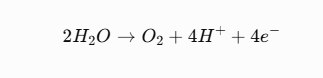
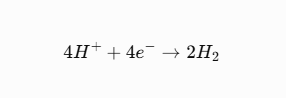
The fundamental principle of a PEM electrolyzer is the use of direct current (DC) to drive the water-splitting reaction. At the anode, water molecules lose electrons, producing oxygen, protons, and electrons. The protons migrate through the proton exchange membrane to the cathode, while the electrons travel to the cathode via an external circuit. At the cathode, the protons gain electrons to form hydrogen gas. The primary electrode reactions are as follows:
Anode oxygen evolution reaction (OER):
Cathode hydrogen evolution reaction (HER):
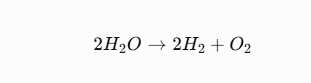
Overall reaction:
The proton exchange membrane (PEM) is the core component of the entire electrolysis process; it facilitates proton conduction while simultaneously separating the hydrogen and oxygen gases produced at the cathode and anode, thereby reducing the risk of the two gases mixing.
PEM electrolyzers feature high current density, can adapt to rapidly fluctuating power inputs, and—with appropriate design—are capable of producing high-purity hydrogen. However, the internal environment is highly corrosive—particularly on the anode side, which operates at a high potential—necessitating the use of noble metal catalysts (such as iridium or platinum) and corrosion-resistant materials, including titanium-based bipolar plates and porous transport layers.
These high-performance materials are also a major factor contributing to the high manufacturing costs of PEM electrolyzers.
2. Unit Structure of a PEM Electrolyzer
The core unit of a PEM electrolyzer is the membrane electrode assembly (MEA), which primarily consists of a proton exchange membrane, an anode catalyst layer, and a cathode catalyst layer.
Porous transport layers (PTL) and bipolar plates (BPP) are positioned on either side of the MEA. Together, these components perform functions such as reactant transport, gas removal, electrical conduction, and structural support.
Specifically:
- Membrane Electrode Assembly (MEA): Composed of a proton exchange membrane and catalyst layers on both sides; this is the central region where electrochemical reactions take place.
- Porous Transport Layer (PTL): Located between the MEA and the bipolar plate, it facilitates the transport of water and gases, while also serving to conduct electrons and provide mechanical support.
- Bipolar Plate (BPP): Used to connect adjacent electrolysis units, distribute fluids, conduct electrical current, and isolate different reaction zones.
- Sealing Components: Utilize structures such as gaskets to prevent the leakage of water, hydrogen, and oxygen. - End plates and fastening components: These provide the necessary mechanical clamping force for the entire electrolysis stack, ensuring stable connections between individual units.
To increase hydrogen production, multiple individual cells are typically connected in series to form an electrolysis stack. Bipolar plates connect adjacent units, allowing the entire system to meet specific voltage requirements while enabling continuous hydrogen production.
II. Core Materials for PEM Electrolyzers
1. OER and HER Catalysts
The theoretical thermodynamic voltage for water splitting is approximately 1.23 V. However, in actual operation, a higher voltage must be applied to the electrolyzer due to kinetic resistance in electrode reactions, ohmic losses, and mass-transfer limitations.
The primary role of a catalyst is to reduce the overpotential of electrode reactions, accelerate electron transfer, and facilitate the conversion of reaction intermediates, thereby enhancing electrolysis efficiency.
PEM electrolyzers primarily involve two catalytic reactions:
Anode Oxygen Evolution Reaction (OER)
The kinetics of the anode oxygen evolution reaction are relatively slow, placing high demands on the activity and stability of the catalyst. Currently, iridium oxide (IrO₂) is one of the most widely used catalytic materials for the anodes of PEM electrolyzers.
While ruthenium oxide (RuO₂) exhibits high catalytic activity for oxygen evolution, it lacks sufficient long-term stability in the highly acidic, high-potential environment of a PEM electrolyzer. In contrast, iridium oxide offers superior corrosion resistance, making it more prevalent in commercial PEM electrolysis equipment.
However, iridium is a scarce precious metal with limited global supply and a relatively high cost. To reduce iridium usage and lower manufacturing costs, current efforts focus on the following approaches:
- Developing iridium-ruthenium and other multi-metal composite oxides to enhance catalytic activity and stability.
- Utilizing supports with high specific surface area to disperse active components, thereby reducing the required precious metal loading.
- Employing nanostructures, core-shell structures, and thin-film catalytic layers to improve the utilization efficiency of precious metals.
- Optimizing catalyst preparation processes to minimize material consumption while maintaining performance. Cathodic Hydrogen Evolution Reaction (HER)
The cathode is primarily responsible for the reduction of protons into hydrogen gas. Platinum (Pt) is the most commonly used catalytic material for the cathodes of PEM electrolyzers, owing to its exceptional catalytic activity for the hydrogen evolution reaction and its robust stability in acidic environments.
To reduce the costs associated with platinum, researchers are exploring alternative materials, such as palladium-based compounds, transition metal sulfides, phosphides, and carbides. However, the long-term stability and overall catalytic performance of these alternatives require further validation.
2. Proton Exchange Membrane (PEM)
The proton exchange membrane is a defining component that distinguishes PEM electrolyzers from other electrolysis technologies; it is a critical material that determines both electrolysis efficiency and gas separation performance.
Currently, perfluorosulfonic acid (PFSA) polymer membranes—such as the Nafion series developed by DuPont—are the most mature and widely applied solutions.
These membranes offer high proton conductivity, excellent chemical stability, and strong mechanical properties. Furthermore, their low gas permeability ensures effective proton transport while keeping hydrogen and oxygen gases separated during the electrolysis process.
Nevertheless, Nafion membranes have drawbacks, including high manufacturing costs, stringent requirements for the disposal of fluorine-containing materials, and limitations when operating at high temperatures. Consequently, research is increasingly focused on alternatives such as composite proton exchange membranes and non-fluorinated hydrocarbon-based membranes.
For instance, incorporating hydrophilic particles—such as silicon dioxide or titanium dioxide—into Nafion membranes can enhance their water-retention capacity. Meanwhile, the development of membranes based on materials like sulfonated polyether ether ketone (SPEEK) or sulfonated polysulfone represents a significant avenue for creating lower-cost alternatives.
3. Bipolar Plate (BPP)
The bipolar plate is a vital structural component of a PEM electrolyzer, serving functions such as conducting electrical current, distributing fluids, connecting adjacent cells, and maintaining gas separation.
Because the anode side operates in an acidic, high-potential, and highly oxidizing environment, bipolar plates must possess excellent electrical conductivity, corrosion resistance, mechanical strength, and thermal conductivity.
Titanium is widely used for bipolar plates on the anode side of PEM electrolyzers due to its high mechanical strength, superior corrosion resistance, and low hydrogen permeability. However, an oxide film tends to form on titanium surfaces. In high-potential environments, this oxide layer may gradually thicken, leading to increased contact resistance and reduced current conduction efficiency.
To address this, some titanium bipolar plates are treated with conductive coatings—such as platinum, gold, or titanium nitride—to lower surface contact resistance and enhance long-term operational stability.
Given the high costs of titanium and precious-metal coatings, the development of low-cost substrate materials and corrosion-resistant, conductive coatings remains a key research focus in bipolar plate technology.
4. Porous Transport Layer (PTL)
Typically positioned between the membrane electrode assembly (MEA) and the bipolar plate, the porous transport layer—also known as a current collector or diffusion layer—is an essential functional component in PEM electrolyzers.
Its primary functions include:
- Uniformly delivering water to the anode catalyst layer to provide reactants for the electrolysis reaction.
- Efficiently removing oxygen generated at the anode to minimize the impact of gas accumulation on mass transfer.
- Providing a stable pathway for electron conduction between the electrode and the bipolar plate.
- Offering mechanical support to maintain contact between the membrane electrode assembly and other components.
On the anode side, the high potential can cause conventional carbon materials to oxidize; therefore, titanium is typically used to fabricate the PTL.
Common titanium-based porous transport layers include sintered titanium powder, sintered titanium felt, and expanded titanium mesh. These structures vary in terms of porosity, pore size distribution, permeability, and electrical conductivity, and must be selected based on the specific design of the electrolyzer.
Furthermore, because the oxide film on the titanium surface can increase contact resistance, some titanium-based PTLs are treated with conductive coatings—such as platinum, gold, or iridium—to improve interfacial electrical conductivity.
The operating environment on the cathode side is relatively mild, allowing for the use of carbon paper, carbon cloth, or other suitable porous metallic materials, depending on the equipment design.
III. The Crucial Role of Titanium in PEM Electrolyzers
Within the overall structure of a PEM electrolyzer, titanium is primarily utilized for the anode-side bipolar plates, porous transport layers, and various connecting components. Its application advantages are primarily reflected in three aspects:
First, it offers excellent corrosion resistance. Titanium can withstand the acidic and high-potential environment on the anode side of a PEM electrolyzer, contributing to the long-term operational stability of the equipment.
Second, it possesses reliable mechanical properties. With high strength and good processability, titanium meets the requirements for structural support, fluid distribution, and assembly within the electrolysis stack.
Third, it is well-suited for surface functionalization. Treatments such as platinum or gold plating, or the application of other conductive coatings, can enhance the surface electrical conductivity of titanium materials and reduce contact resistance.
As PEM water electrolysis technology for hydrogen production continues to develop, there is growing interest in materials such as titanium mesh, sintered titanium powder, titanium felt, titanium plates, and surface-coated titanium components.
IV. Recycling and Resource Recovery of PEM Electrolyzer Materials
PEM electrolyzers contain various metallic materials with recovery value, including iridium, platinum, titanium, and other metallic components.
Iridium is primarily used in anode oxygen-evolution catalysts; platinum is mainly employed in cathode hydrogen-evolution catalysts and certain conductive coatings; and titanium is widely found in bipolar plates, porous transport layers, and other structural components.
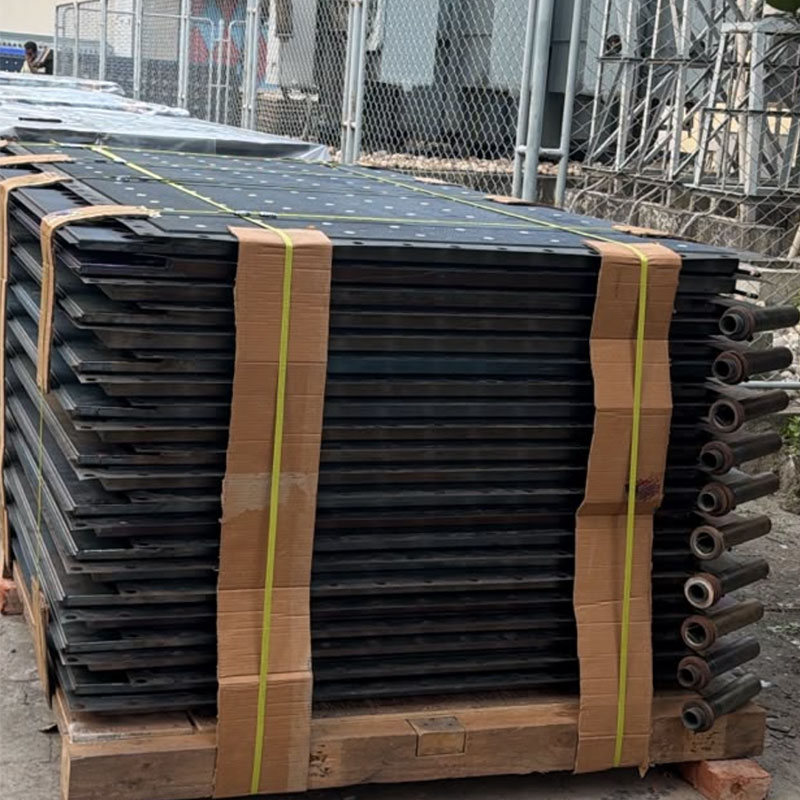
The replacement, maintenance, and decommissioning of electrolyzer equipment can generate waste materials, including titanium mesh, titanium felt, sintered titanium powder, titanium plates, and electrodes featuring iridium or platinum coatings. The actual recovery value of these waste materials depends on factors such as the material type, coating composition, precious metal content, and the physical state of the material.
For PEM electrolyzer waste containing precious metals, professional assessment—incorporating the material's origin, structural form, and analytical test results—is essential to ensure proper classification, testing, and resource recovery.
Conclusion
PEM electrolysis is a key technological pathway for the green hydrogen industry. Its performance and manufacturing costs are closely linked to core materials, including proton exchange membranes, precious metal catalysts, titanium-based bipolar plates, and porous transport layers.
Among these, precious metals like iridium and platinum determine critical catalytic performance, while titanium materials provide the essential foundation for structural support, electrical conductivity, and corrosion resistance within the equipment. As PEM electrolyzers see large-scale deployment, reducing the use of precious metals, enhancing the performance of titanium-based materials, and refining systems for the recycling of end-of-life materials will become key priorities for driving the sustainable development of the hydrogen energy industry.