

 8613480627251

A titanium anode is an electrode material consisting of a metallic titanium substrate, which is modified through specific surface coatings or surface treatment processes tailored to operational requirements. Leveraging the excellent corrosion resistance and high mechanical strength of the titanium substrate—combined with the superior electrocatalytic activity of specialized functional coatings—titanium anodes are widely utilized in fields such as electroplating, electrolysis, water treatment, chemical synthesis, and marine engineering.
It should be noted that not all titanium anodes employ the same coatings. Common types include mixed metal oxide (MMO) coatings—such as those based on ruthenium or iridium—as well as platinum-coated titanium anodes. Different coatings are suited to specific electrochemical reactions; actual performance depends on factors such as electrode structure, coating formulation, electrolyte composition, and operating conditions.
I. Key Application Areas for Titanium Anodes
1. Metal Electroplating and Surface Treatment
In the electroplating and metal surface treatment industry, titanium-based coated anodes are used in various processes, including nickel, copper, chromium, and zinc plating, as well as the deposition of metal alloys. Their primary functions are to conduct electrical current, participate in anodic reactions, and—within appropriate systems—mitigate issues related to the dissolution of the anode itself.
Requirements for anode materials vary depending on the specific electroplating process. While some systems utilize insoluble titanium anodes, others may still require the use of soluble metal anodes. Consequently, the selection of an electrode must be based on the composition of the plating bath, the method for replenishing metal ions, and specific process requirements.
2. Industrial Wastewater Treatment
In the electrochemical treatment of industrial wastewater, titanium-based coated anodes are employed to facilitate the oxidation of organic pollutants, decolorization, and the degradation of complex, recalcitrant substances. Applications include the treatment of wastewater from chemical manufacturing, electroplating, and various other industrial sectors.
Certain electrochemical oxidation processes can operate at high current densities; however, treatment efficacy is not determined solely by the anode material. It is also influenced by factors such as the type of pollutants present, the electrical conductivity of the wastewater, pH levels, current density, and reaction duration. For high-concentration organic wastewater, such systems are typically integrated with other treatment technologies as part of a comprehensive process design. 3. Hydrogen and Oxygen Production via Water Electrolysis
In water electrolysis systems, an oxygen evolution reaction occurs at the anode, while a hydrogen evolution reaction takes place at the cathode. Certain electrolysis technologies utilize titanium-based coated electrodes, particularly in systems that demand specific levels of corrosion resistance and electrochemical performance.
However, titanium anodes are not a universal feature in all water electrolysis equipment. For instance, traditional alkaline water electrolysis typically employs nickel-based electrodes, whereas proton exchange membrane (PEM) electrolysis generally utilizes titanium-based porous transport layers—or related titanium components—at the anode, paired with appropriate noble-metal catalytic materials. The specific materials used depend on the electrolysis technology pathway and the equipment design.
4. Electrolysis and Electrowinning of Non-Ferrous Metals
In the electrowinning of metals such as copper, nickel, and zinc—as well as in related electrochemical production processes—titanium-based insoluble anodes can be employed to help maintain structural stability at the anode and meet specific reaction requirements.
Nevertheless, not all smelting, refining, or electrowinning processes for non-ferrous metals are suitable for titanium anodes. The production of metals like aluminum, for example, involves different electrolytic systems, where electrode materials must be specifically selected based on operating temperatures, the nature of the electrolyte, and the underlying reaction mechanisms.
5. Electrolytic Plating and Functional Surface Processing
In electrolytic plating and other electrochemical surface-processing operations, titanium anodes can be used in certain nickel-plating, chromium-plating, and alloy-plating systems. Utilizing an appropriate insoluble anode helps maintain the electrode's shape and minimizes process fluctuations that would otherwise be caused by anode dissolution.
In practical applications, the coating material must be selected based on the composition of the plating bath, the target coating, and the type of anodic reaction, ensuring that the electrode is well-matched to the specific process system.
6. Pharmaceutical Manufacturing and Organic Electrosynthesis
Titanium-based coated electrodes can be used in various organic electrosynthesis processes, the preparation of pharmaceutical intermediates, and fine chemical production. In these applications, they facilitate the formation of target products through anodic oxidation or other electrochemical reactions.
Such applications typically impose stringent requirements regarding reaction selectivity, impurity control, and electrode stability; therefore, the appropriate coating and electrode structure must be chosen based on the specific reaction system. 7. Electrolysis in Acidic, Alkaline, and Corrosive Media
In electrochemical processes involving hydrochloric acid, sulfuric acid, or other corrosive media, titanium-based coated anodes can be utilized for certain specific reactions. While the titanium substrate itself possesses good corrosion resistance, it is not inherently resistant to all strong acids, strong bases, or fluoride-containing media.
For instance, hydrofluoric acid and fluoride-rich environments can cause severe corrosion to titanium materials. Therefore, the suitability of an electrode must be evaluated based on the specific concentration of the medium, temperature, redox conditions, and the coating system employed; it should not be assumed that titanium anodes can universally replace lead or platinum electrodes.
8. Electrochemical Synthesis and Oxidation Reactions
In the field of electrochemical synthesis, titanium-based coated anodes can be used for the oxidation of certain organic compounds, the conversion of alcohols, and other electrosynthetic reactions. By selecting an appropriate electrocatalytic coating, it is possible to modulate reaction activity and the selectivity for target products.
Different reactions impose varying requirements on electrode materials, necessitating a comprehensive assessment of factors such as reaction potential, medium composition, catalytic activity, and the control of side reactions.
9. Electrochemical Decolorization and Pollutant Removal
In the treatment of wastewater from printing and dyeing industries—as well as other colored, organic-laden wastewater—titanium-based coated anodes can be employed for electrochemical oxidation and the removal of pollutants. Certain processes can also be used to convert or remove specific metal ions; however, the actual efficacy depends on the form of the pollutants, reaction conditions, and the supporting treatment technologies.
10. Electrochemical Treatment of Air Pollutants
In certain research or industrial systems focused on gas purification and electrochemical environmental remediation, titanium-based coated electrodes can be used for the electrochemical conversion of specific gaseous pollutants. Nevertheless, for pollutants such as nitrogen oxides (NOx) and sulfur oxides (SOx), the practical application pathways and the maturity of the technologies vary significantly; thus, titanium anodes should not be viewed as a universal solution for air pollution control.
11. Corrosion Protection and Marine Engineering
Titanium-based coated anodes are also used in impressed current cathodic protection (ICCP) systems, which are applied to ships, seawater piping, offshore platforms, and other marine engineering infrastructure. Some systems utilize tubular anodes, probe-type anodes, or other configurations to mitigate the risk of corrosion in metal structures by applying a protective current.
The design of such anodes focuses on long-term stability, current output capacity, and adaptability to seawater environments; the specific materials and structures are determined based on the object being protected and the on-site conditions.
II. Key Advantages of Titanium Anodes
The advantages of titanium anodes are primarily reflected in the following aspects:
Excellent Corrosion Resistance: The titanium substrate exhibits strong corrosion resistance in many industrial environments, making it suitable for specific electrolysis and water treatment applications.
Structural Stability: When designed as insoluble anodes, these products maintain good dimensional stability under appropriate operating conditions.
Tunable Electrocatalytic Performance: By selecting different noble metal or metal oxide coatings, the anodes can be tailored to facilitate specific electrochemical reactions, such as chlorine evolution or oxygen evolution.
Extended Service Life: With proper selection and standardized operation, titanium-based coated anodes can reduce the frequency of electrode replacement in certain processes.
Flexible Structural Forms: They can be fabricated into meshes, plates, tubes, rods, or other shapes to accommodate various types of equipment and installation environments.
It should be noted that the presence of a titanium substrate does not imply that the entire electrode possesses uniform corrosion resistance across all environments. The actual service life depends on factors such as coating quality, adhesion, current density, temperature, the nature of the electrolyte, and maintenance practices.
III. Recycling Value of Spent Titanium Anodes
After long-term operation, titanium anodes may experience coating depletion, reduced activity, localized delamination, or structural damage. When an electrode can no longer meet production requirements, its recycling value can be assessed based on its material composition and the state of its coating.
For titanium anodes featuring noble metal coatings, the recycling value is generally derived from two main components:
Titanium Substrate Material: This includes spent titanium meshes, plates, tubes, and other titanium electrode components.
Surface Noble Metal Coatings: Some electrodes contain noble metals—such as ruthenium, iridium, or platinum—or their oxides. The specific content depends on the coating formulation, the manufacturing process, and the extent of wear during use. Common materials evaluated for recycling include:
DSA (Dimensionally Stable Anode) and MMO (Mixed Metal Oxide) coated titanium anodes;
Ruthenium-iridium coated titanium mesh, plates, and tubes;
Platinum-coated titanium electrodes;
Spent anodes from chlor-alkali electrolysis cells;
Used titanium electrodes from seawater desalination, electroplating, and industrial water treatment equipment;
Spent coated anodes from impressed current cathodic protection (ICCP) systems used on ships.
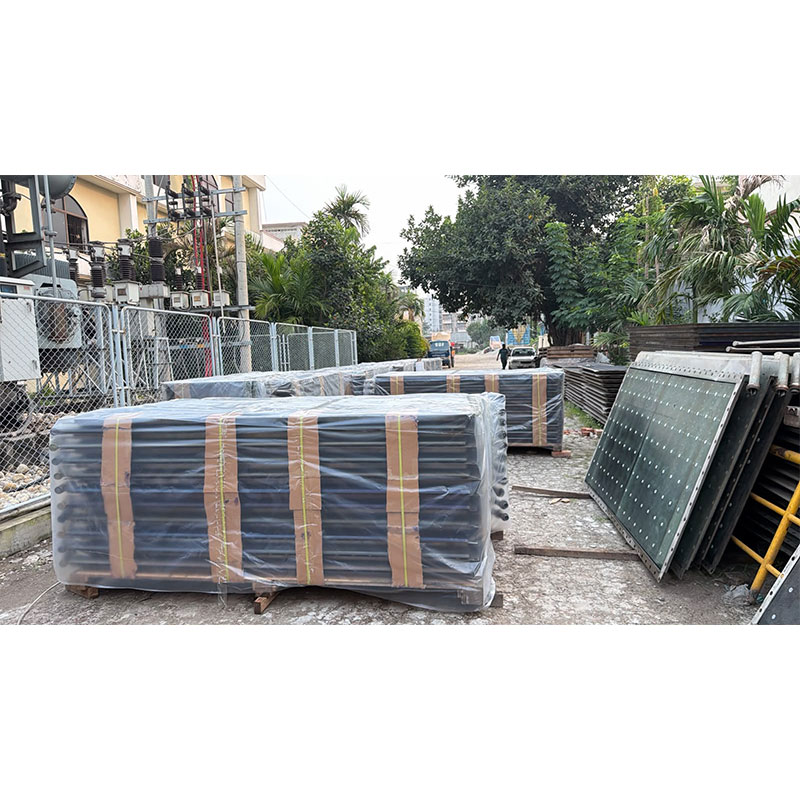
Not all titanium anodes contain precious metals, and it is impossible to determine their precious metal content solely based on color, appearance, or original application. For bulk scrap, we recommend providing details such as the original application, product model, photographs, actual weight, and any existing test reports. This information will be used—alongside appropriate compositional analysis methods—to assess the material's recycling value. While handheld XRF analyzers can be used for preliminary screening, results may be influenced by factors such as coating thickness, the substrate material, and surface condition; therefore, further verification using more suitable testing methods may be required.
IV. J&F Titanium Anode Scrap Recycling Services
Dongguan J&F Precious Metal Trading Co., Ltd. specializes in the recycling of industrial precious metal scrap. We provide evaluation services for spent titanium anodes sourced from chlor-alkali plants, seawater desalination facilities, electroplating plants, industrial water treatment installations, and other electrochemical equipment. Our recycling scope covers DSA titanium anodes, MMO-coated titanium mesh, plates, and tubes, as well as ruthenium-iridium coated electrodes, platinum-coated titanium electrodes, and other industrial scrap potentially containing precious metals.
For bulk quantities, J&F can conduct on-site inspections, material verification, and compositional analysis. We then provide a price quote based on the actual residual precious metal content, the condition of the material, the total quantity, and logistics/transportation requirements.
If you have spent titanium anodes, mesh, plates, or other electrode scrap containing precious metals, please provide photographs, videos, the actual weight, the source of the material, and any available test documentation. This will allow us to perform a preliminary assessment and initiate discussions regarding the recycling process.