

 8613480627251
Core recycling goal: * * Separate precious metal oxide coatings (mainly ruthenium and iridium) from titanium substrates * *; When the titanium substrate is intact, it can be recoated with regenerated anodes, and precious metals can be enriched and purified for reuse. It is mainly divided into mechanical stripping method, chemical wet stripping method, hot/molten salt stripping method, electrochemical stripping method, as well as direct smelting recovery and anode refurbishment regeneration route.
1. Mechanical peeling method (sandblasting, polishing, high-pressure water jet)
Using white corundum, glass sand low-pressure sandblasting, or high-pressure pure water jet, grinding and polishing, relying on physical impact force to remove the aging and loose metal oxide coating on the surface.
Advantages: Simple process, no use of strong acids or bases, minimal chemical corrosion of titanium substrate; Suitable for scrapped anodes with peeling coatings and decreased adhesion.
Disadvantages: When the coating is firmly bonded, it may not peel off cleanly and is prone to residue; Sandblasting generates a large amount of dust, making it difficult to collect precious metal powder and resulting in high losses. The efficiency of large-scale processing is relatively low, and it is generally used for pre-treatment or small-scale sheet metal processing.
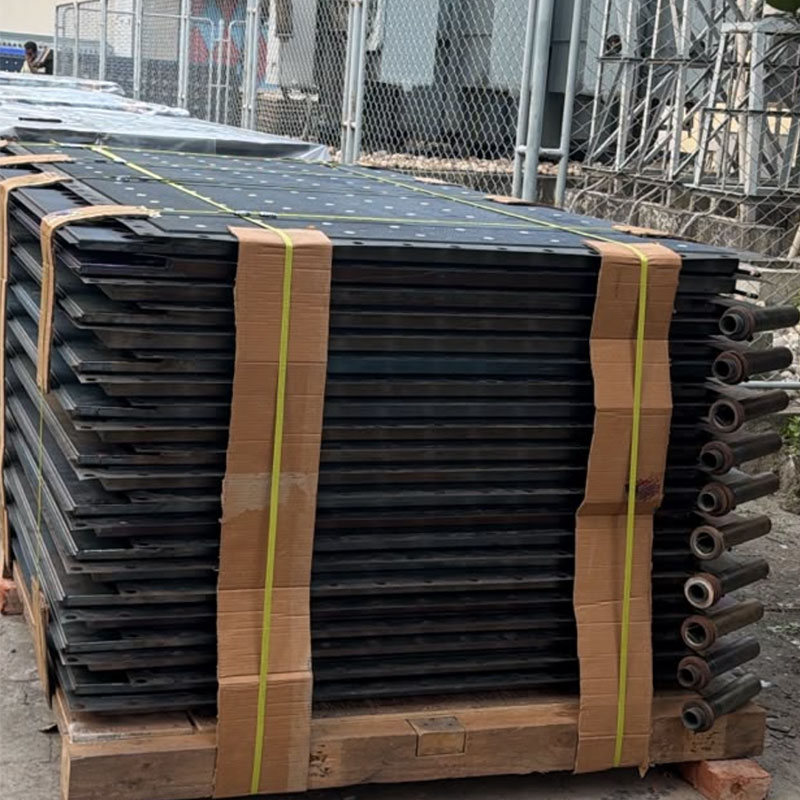
2. Chemical wet leaching/stripping method (most commonly used in industry)
Divided into acid leaching system and composite complexation removal liquid system. Commonly used oxalic acid, dilute sulfuric acid, hydrochloric acid+oxidant (hydrogen peroxide), or ammonium citrate complex solution, heated and soaked, gradually dissolve ruthenium iridium oxide into the solution, and retain the titanium plate substrate.
Subsequent process: filtration and enrichment of precious metal containing solution → oxidation distillation (separation of ruthenium), precipitation, extraction, ion exchange resin adsorption → obtaining high-purity ruthenium powder and iridium powder.
Advantages: Stable peeling effect, high recovery rate of precious metals, minimal damage to the titanium substrate when controlled properly, and the ability to directly return to the factory for re coating after cleaning, achieving anode regeneration.
Disadvantages: The chemical has strong corrosiveness and produces acidic waste liquid, which requires supporting wastewater treatment; Ruthenium is prone to generate highly toxic ruthenium tetroxide, which requires sealed negative pressure operation and belongs to hazardous chemical processes. Personal operation is strictly prohibited.
3. High temperature roasting+molten salt stripping method (alkali melting method)
Immerse or coat the anode with a mixture of alkaline oxidants such as sodium hydroxide and potassium nitrate, calcine at 400-550 ℃, and use thermal expansion, contraction, and oxidation reactions to break the bonding interface between the coating and the titanium substrate. Then, rapidly cool it with water and the coating will peel off in patches; It is also possible to directly roast the oxide coating at high temperature and then leach and purify it.
Advantages: Fast peeling speed, suitable for dense and acid resistant iridium tantalum stable coatings.
Disadvantages: High energy consumption, poor temperature control can cause oxidation, brittleness, and deformation of the titanium substrate; The cost of treating alkali melt residue is high, and the flue gas needs to be purified.
4. Electrochemical stripping method (electrolytic coating stripping)
Place the waste titanium anode in sulfuric acid or specialized electrolyte, alternate as anode and cathode, and rely on interface gas evolution shock and electrochemical oxidation to cause the metal oxide coating to peel off and dissolve.
Advantages: Low loss of titanium substrate, low consumption of reagents, and strong controllability; Suitable for electrode plates with high requirements for titanium substrate shape and flatness, and planned for refurbishment and reuse.
Disadvantages: Requires rectification power supply, long processing cycle, limited single batch production capacity, high equipment investment for national technology enterprises .
5. Direct melting method (selected when the substrate has been deformed or severely damaged)
The anode substrate has cracked and severely deformed, making it unsuitable for refurbishment. It enters the melting system directly with the flux, with titanium entering the titanium alloy raw material and precious metals entering the precious slag. Ruthenium iridium is then refined and extracted from the slag.
Advantages: Low threshold for incoming materials, no need for pre coating peeling;
Disadvantages: Low recovery rate of precious metals, high cost, generally not preferred.
6. Anode refurbishment and regeneration route (priority plan)
If the structure of the titanium plate itself is intact, but the coating fails: first clean and remove the scale → use the above process to completely remove the old coating → polish and roughen the titanium surface → re apply the precious metal precursor solution, thermally oxidize and sinter, and directly make a new MMO titanium anode, which is the most economical recycling method. This mode is preferred by a large number of chlor alkali and water treatment industries.