

 8613480627251
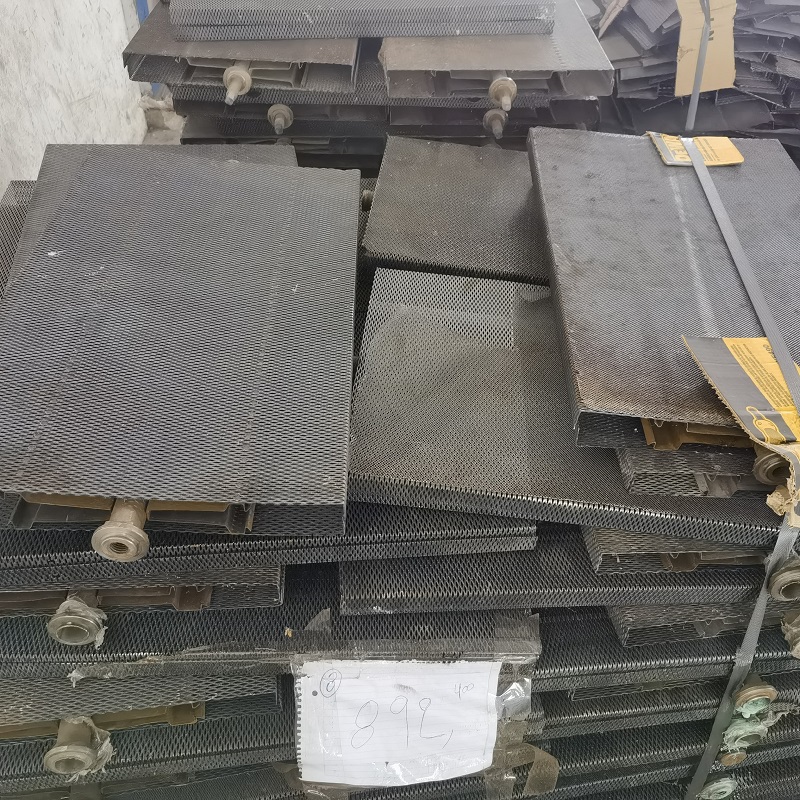
I. What Is a DSA Titanium Anode?
"DSA" stands for "Dimensionally Stable Anode." It is a composite electrode material consisting of a titanium substrate coated with an electrocatalytically active layer. These anodes are widely used in electrolysis, electrochemical processing, and various industrial production sectors.
Unlike traditional soluble anodes, DSA titanium anodes function primarily through electrochemical reactions occurring at their surface. The titanium substrate itself is generally not consumed during the reaction, allowing the electrode to maintain a relatively stable structure and geometry under specified operating conditions. However, "dimensionally stable" does not mean the electrode is immune to wear; after long-term operation, the active surface coating may be consumed, become deactivated, or peel off, which can impair the electrode's performance.
A DSA titanium anode is not merely a piece of titanium metal, but a composite material comprising a titanium substrate and a functional surface coating. The titanium substrate provides structural support and electrical conductivity, while the surface coating delivers the necessary electrocatalytic activity, selectivity, and corrosion resistance.
Common coatings for DSA titanium anodes include:
Ruthenium-based oxide coatings: Typically used for chlorine evolution reactions; they are essential in applications such as the chlor-alkali industry and brine electrolysis.
Iridium-based oxide coatings: Generally used for oxygen evolution reactions, with specific applications depending on the coating formulation, the electrolyte, and operating conditions.
Platinum coatings: Leveraging the high electrical conductivity, corrosion resistance, and electrocatalytic properties of platinum, these are used in various electrolysis and electrochemical processes.
Composite noble metal oxide coatings: These consist of mixed metal oxides—such as combinations of ruthenium, iridium, and other components—specifically designed for target reactions and operating environments.
It should be noted that "DSA" is a general term for dimensionally stable anodes; not all titanium anodes utilize the same type of coating. Because the composition, thickness, structure, and performance of these coatings vary from product to product, one cannot determine the noble metal content simply by looking at the anode's appearance.
II. Main Application Fields of DSA Titanium Anodes
DSA (Dimensionally Stable Anode) titanium anodes possess excellent electrochemical activity and corrosion resistance, making them suitable for a wide range of industrial electrochemical processes.
1. Chlor-Alkali Industry and Brine Electrolysis
In the chlor-alkali industry, titanium-based noble metal oxide anodes are extensively used for brine electrolysis. Anodes featuring ruthenium-based oxide coatings, for instance, facilitate the chlorine evolution reaction while maintaining high current efficiency and operational stability under appropriate conditions.
Relevant applications include chlor-alkali electrolytic cells, brine electrolysis equipment, and various electrochemical treatment systems for solutions containing chlorides.
2. Seawater Desalination and Water Treatment
Coated titanium anodes are employed in certain seawater desalination, electrolytic water treatment, and industrial wastewater treatment systems. They facilitate electrochemical reactions that enable functions such as sterilization, descaling, pollutant removal, or other forms of water quality control.
The specific type of electrode selected depends on factors such as water quality, chloride ion concentration, treatment objectives, and equipment design. It should be noted that not all seawater desalination equipment utilizes DSA titanium anodes.
3. Electroplating and Metal Surface Treatment
In electroplating, electropolishing, and various metal surface treatment processes, coated titanium anodes serve as insoluble (dimensionally stable) anodes. They participate in electrochemical reactions and maintain current conduction, while also minimizing the issues—such as anode dissolution—that might otherwise occur in specific processes.
Different electroplating systems impose varying requirements on anode materials; therefore, selection must be based on the composition of the electrolyte, operating current, and specific process requirements.
4. Electrochemical Organic Synthesis and Other Industrial Electrochemical Processes
In certain organic electrosynthesis, electrochemical oxidation, and industrial electrolysis processes, DSA titanium anodes are used to promote target electrochemical reactions. The coating formulation is typically tailored to the specific type of reaction, the corrosivity of the medium, and the required selectivity.
5. Marine and Offshore Engineering
In marine and offshore engineering, coated titanium anodes are used as auxiliary anodes in Impressed Current Cathodic Protection (ICCP) systems. These may take various structural forms, such as tubular, probe-type, or disc-shaped anodes. These types of electrodes are commonly found on ship hulls, seawater piping, and other metal structures where corrosion control is required. It is important to distinguish between auxiliary anodes used in impressed current cathodic protection (ICCP) systems and electrolytic anodes used for seawater electrolysis or sterilization; while both may utilize similar titanium-based coated materials, their specific functions and design requirements differ.
III. What are the advantages of DSA (Dimensionally Stable Anode) titanium anodes?
1. Dimensional stability and low structural wear
Unlike soluble (consumable) metal anodes, DSA titanium anodes do not continuously dissolve under normal design operating conditions. This helps maintain the electrode's shape and ensures the operational stability of the electrolysis system.
2. High electrocatalytic activity
The active surface coating facilitates specific electrochemical reactions, thereby enhancing the efficiency of electrode reactions. Different coatings are tailored for different reactions; for instance, ruthenium-based coatings are frequently used for chlorine evolution, while iridium-based coatings are typically employed for oxygen evolution.
3. Excellent corrosion resistance
The titanium substrate possesses inherent corrosion resistance. When combined with an appropriate functional coating, it can be used in a wide range of corrosive electrolytic environments. However, the actual corrosion resistance depends on factors such as electrolyte composition, temperature, current density, the condition of the coating, and operating procedures.
4. Potential for reduced operation and maintenance costs
Under suitable operating conditions, DSA titanium anodes can reduce the frequency of anode replacement and associated maintenance tasks. Their overall economic value should be assessed by considering the initial procurement cost, operational efficiency, coating lifespan, downtime for maintenance, and the costs associated with recoating or replacement.
5. Flexible structural design
DSA titanium anodes can be fabricated into various forms—such as meshes, plates, tubes, or rods—to meet the installation requirements of different electrolytic cells and industrial equipment. These varying structures influence factors such as effective reaction surface area, fluid distribution, and current density.
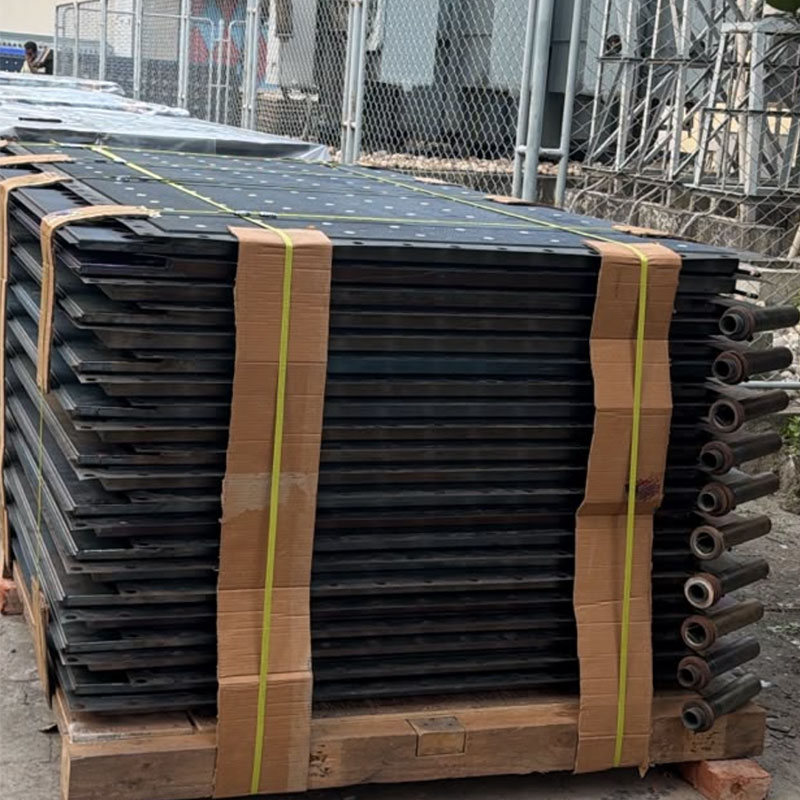
IV. Why do DSA titanium anodes have recycling value?
The recycling value of DSA titanium anodes stems from two primary sources: the titanium substrate material itself, and the precious metals or precious metal oxide coatings present on the surface. 1. Surface coatings may contain precious metals
Some spent titanium anodes utilize precious metals—such as ruthenium, iridium, or platinum—or their compounds as active components. Even if an electrode has lost its original electrochemical performance, its surface may still retain precious metals that hold recovery value.
However, coating formulations vary significantly between different electrodes; it cannot be assumed that all DSA (Dimensionally Stable Anode) titanium anodes contain platinum, iridium, or ruthenium, nor can the specific metal content be determined solely by the color of the coating.
2. Coating failure does not mean the total loss of precious metals
Long-term operation can lead to the gradual consumption, deactivation, or localized delamination of the active coating. Even when an electrode can no longer meet production requirements, it may still possess value for precious metal recovery.
The actual recovery value depends on the residual precious metal content, the composition of the coating, the weight of the scrap material, the degree of contamination, and the costs associated with subsequent processing.
3. Various forms of titanium anode scrap can be evaluated
Common materials assessed for recovery include:
Ruthenium-iridium coated titanium mesh, plates, and tubes;
Iridium-based oxide coated titanium anodes;
Platinum-coated titanium mesh, plates, and other titanium electrodes;
DSA, MMO (Mixed Metal Oxide), and other electrodes coated with precious metal oxides;
Spent anode assemblies recovered from dismantled electrolytic cells;
Used electrodes from chlor-alkali production, seawater desalination, electroplating, industrial water treatment, and related electrochemical equipment.
For mixed scrap, electrode assemblies with attachments, or materials of unknown origin, further verification of the base material and coating composition is required to ensure that ordinary titanium is not conflated with electrodes containing precious metal coatings.
V. How are DSA titanium anode scraps evaluated for recovery?
The valuation of spent DSA titanium anodes cannot be based solely on the weight of the titanium substrate, nor can it be derived directly from the pricing of new electrodes. A proper assessment typically requires the following information:
Confirm origin and application: Identify whether the electrodes originated from chlor-alkali plants, seawater desalination facilities, electroplating plants, or other industrial equipment.
Confirm material and coating: Provide, whenever possible, product model specifications, technical documentation, procurement records, or original test reports. Verify actual weight and quantity: Distinguish between the titanium substrate, electrode components, surface deposits, and any other mixed materials.
Conduct composition analysis: Use screening tools—such as handheld XRF—in conjunction with appropriate laboratory analysis methods to evaluate material composition. Please note that handheld XRF results can be influenced by factors like coating thickness, substrate effects, surface condition, and instrument settings; therefore, they may not always accurately represent the total precious metal content of an entire batch of scrap.
Perform a comprehensive assessment of recovery costs: Determine the offer price based on residual precious metal content, the physical state of the materials, the complexity of dismantling, and costs associated with transportation and downstream processing.
For large batches of spent electrodes, it is recommended to provide clear photos, videos, total weight, dimensions of individual units, original application, and any existing test data prior to a transaction to facilitate an initial assessment. The final recovery price will be determined based on physical inspection and the results of composition analysis.
VI. J&F Precious Metal Recovery Services
Dongguan J&F Precious Metal Trading Co., Ltd. specializes in the recovery of industrial precious metal scrap. We provide recovery assessments for spent titanium anodes originating from chlor-alkali plants, seawater desalination facilities, electroplating plants, industrial water treatment systems, and other electrochemical equipment. Our recovery scope includes DSA (Dimensionally Stable Anode) titanium anodes, MMO-coated titanium mesh, titanium plates, titanium tubes, ruthenium-iridium coated electrodes, platinum-coated titanium electrodes, and other industrial waste containing precious metals.
For bulk materials, J&F can conduct on-site inspections, material verification, and composition analysis. We provide price quotes based on the actual residual precious metal content, the condition of the materials, and logistics requirements. We welcome inquiries from factories, equipment dismantlers, industrial waste recyclers, and traders; please provide photos, videos, weight, source information, and any available test reports to discuss potential cooperation.
If you possess spent DSA titanium anodes, ruthenium-iridium coated titanium mesh, platinum-coated titanium plates, or other electrode scrap containing precious metals, we recommend verifying the material source and coating composition before proceeding with a recovery value assessment.