

 8613480627251
Hydrogen is a versatile secondary energy source with a wide range of applications. It plays a pivotal role in driving the transition of energy structures, reducing carbon emissions, and achieving "dual carbon" goals—peaking carbon emissions and reaching carbon neutrality. As the hydrogen industry continues to evolve, domestic research institutions, universities, and energy companies are accelerating their strategic deployment across the entire hydrogen value chain. Key areas of focus include hydrogen production technologies, fuel cells, the integration of renewable energy with hydrogen production, and hydrogen extraction from seawater.
Academic institutions and research bodies—such as Shenzhen University, Tsinghua University, and North China Electric Power University—are actively engaged in hydrogen-related research. They are fostering innovation in hydrogen production technologies and their industrial application, providing the technical foundation necessary for the advancement of green hydrogen.
I. Green Hydrogen: A Key Direction for Clean Energy Development
"Green hydrogen" generally refers to hydrogen produced using renewable energy sources, characterized by low carbon emissions throughout the production process. Water electrolysis—a process that uses electrical energy to split water into hydrogen and oxygen—serves as a primary technological pathway for green hydrogen production.
When the electrolysis process is powered by renewable energy sources like wind or solar, carbon emissions during hydrogen production can be significantly reduced. However, the overall environmental benefit remains contingent upon factors such as the source of electricity, the manufacturing of equipment, and the operational efficiency of the system.
To enhance production efficiency and lower energy consumption, various domestic energy companies and research institutions are continuously refining electrolyzer designs, core materials, system integration, and automated control technologies. These efforts are driving the evolution of hydrogen production equipment toward greater efficiency, modularity, and scalability.
II. Research on Seawater-Based Hydrogen Production Drives Marine Energy Development
In early 2022, specialized hydrogen production equipment was provided to the Institute of Deep-Earth Science and Green Energy at Shenzhen University. This equipment supports research into direct hydrogen production from seawater and related green energy technologies, assisting the team led by Academician Xie Heping in exploring the utilization of marine energy and the development of low-carbon technologies.
According to reports, the equipment features a compact footprint, high levels of integration, ease of transport and installation, and robust automated control and monitoring capabilities—all of which provide essential support for experimental research and technical validation. It should be noted that the direct electrolysis of seawater for hydrogen production still faces technical challenges, such as corrosion caused by chloride ions, the control of side reactions, limited electrode lifespan, and the difficulty of maintaining long-term stable operation. Transitioning laboratory research findings into commercial applications requires rigorous long-term operational testing, system optimization, and comprehensive economic assessment.
III. The Potential of Offshore Wind-Powered Hydrogen Production
Offshore wind resources are abundant and can provide renewable electricity for water electrolysis. Integrating offshore wind power with hydrogen production systems offers a pathway to convert intermittent electricity into hydrogen—a form of energy that is easier to store and transport—thereby expanding the ways in which marine renewable energy can be utilized.
Key potential advantages of offshore wind-powered hydrogen production include:
Facilitating the integration of renewable energy: Using wind power to produce hydrogen provides an outlet for electricity that might otherwise be difficult to feed directly into the power grid.
Expanding energy storage and transport options: Hydrogen can be transported via specialized pipelines, shipping vessels, or by being converted into carriers such as ammonia, depending on the scale and distance of the project.
Supporting the low-carbon transition of industry: "Green" hydrogen can serve as a raw material or energy source for sectors such as oil refining, chemicals, and steel manufacturing, helping these industries reduce their carbon emissions.
Exploring synergy between offshore and onshore energy systems: The coordinated operation of wind power, hydrogen production, energy storage, and the broader power grid offers diverse solutions for offshore energy development.
However, offshore hydrogen production is not necessarily more economical than onshore production. Factors such as equipment maintenance, offshore construction, seawater treatment, hydrogen storage and transport, and energy conversion losses all impact the overall project cost and operational efficiency.
IV. The Role of Titanium Anodes and Electrode Materials in the Hydrogen Production Industry
The electrolyzer is a core component of any water electrolysis system. Its performance is influenced by various factors, including electrode materials, catalytic layers, electrolytes, diaphragms or membrane assemblies, and operating conditions.
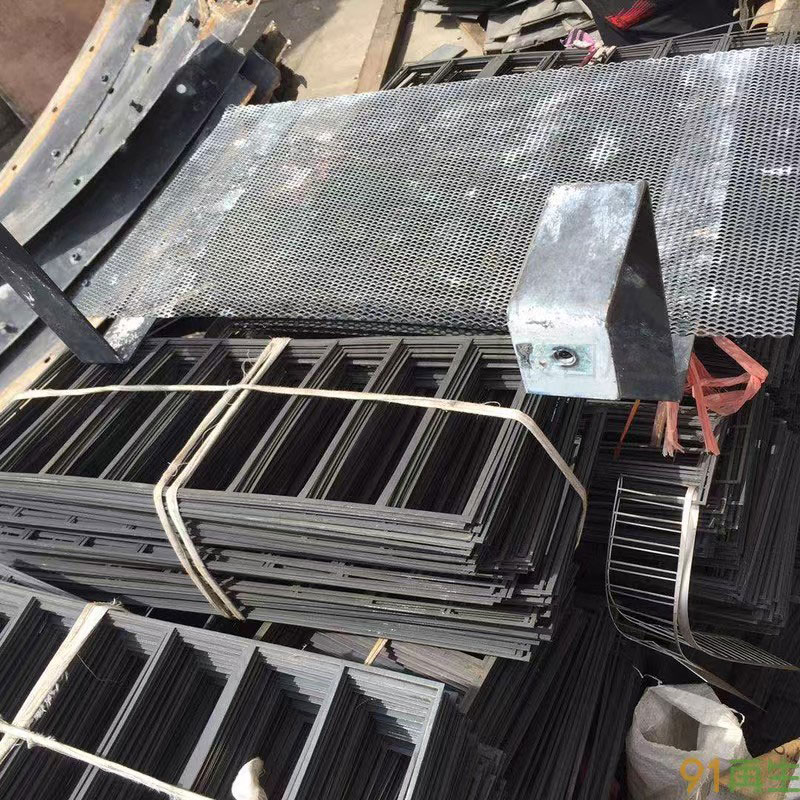
Different hydrogen production technologies utilize different types of electrode materials. For instance, alkaline water electrolysis typically employs nickel-based electrodes or other compatible materials, while certain electrochemical systems utilize titanium-based electrodes coated with metals such as platinum, ruthenium, or iridium. Seawater electrolysis and other industrial electrolysis processes impose specific requirements regarding material corrosion resistance, coating stability, and electrode lifespan. As hydrogen production equipment is increasingly put into operation, the maintenance of electrodes, replacement of components, and the handling of decommissioned materials will become critical aspects of the equipment's full lifecycle management. For spent electrodes featuring coatings of precious metals—such as platinum, ruthenium, or iridium—the feasibility of recovery can be assessed based on factors including material composition, the condition of the coatings, and the residual precious metal content.
Dongguan J&F Precious Metal Trading Co., Ltd. specializes in the recycling of industrial precious metal waste. We provide assessment and recovery services for spent titanium anodes, titanium meshes, titanium plates, platinum-coated titanium electrodes, ruthenium-iridium-coated titanium anodes, and other electrode materials containing precious metals. If you have such materials for disposal, please provide photographs, quantity, actual weight, original application, and any available composition analysis data to facilitate an initial assessment. Final recovery plans and price quotes will be determined based on the verification and testing of the materials.
V. Conclusion
Green hydrogen production—including hydrogen generation from seawater and via offshore wind power—offers new technical pathways for renewable energy development and industrial decarbonization. Looking ahead, as electrolyzer performance improves, key materials are optimized, storage and transport infrastructure matures, and project scales expand, green hydrogen is poised for broader application across various industrial sectors. Concurrently, equipment maintenance, material recycling, and the recovery of precious metals will serve as essential components in driving the sustainable development of the hydrogen energy industry.