

 8613480627251
A platinum composite electrode is an insoluble electrode made by using valve metals such as titanium, niobium, and tantalum as the substrate and coating a platinum layer on its surface through a certain process. This electrode combines the excellent electrocatalytic activity of platinum with the superior corrosion resistance of the valve metal substrate, making it widely used in the electrochemical industry.
Ionized water has been extensively researched in Japan, and related research in China has also become increasingly active in recent years. Acidic ionized water is widely used for disinfection and sterilization, while alkaline ionized water is consumed as drinking water. In ionized water machines, platinum composite electrodes are selected as cathodes or anodes, which can facilitate the change of electrode polarity, extend the service life of the electrodes, and remove contaminants on the electrode surface, thereby ensuring the quality of ionized water. Compared with stainless steel electrodes and titanium-based metal oxide coating electrodes, platinum composite electrodes exhibit stronger electrolysis performance, with a greater amplitude of pH value change during ionized water electrolysis, with the pH value of acidic water reaching up to 4.32 and alkaline water reaching up to 9.92.
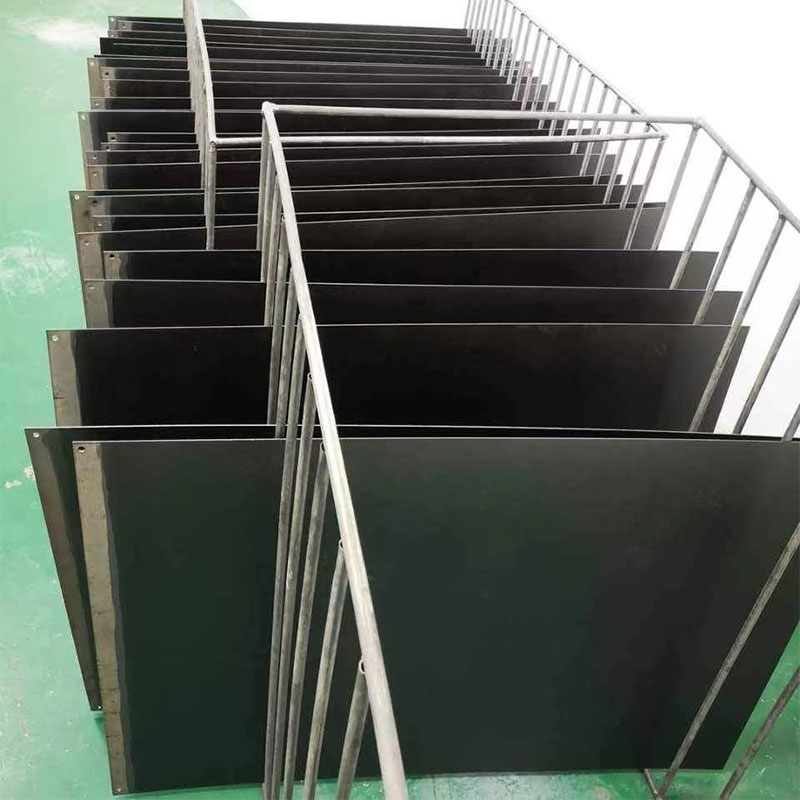
In addition to the preparation of deionized water, platinum composite electrodes are also widely used in the electrochemical preparation of hydrogen peroxide, perchlorate, and hypochlorite. They are frequently employed in industries such as seawater desalination and the electrolytic synthesis of organic compounds. Their stable electrochemical performance and corrosion resistance enable them to meet the long-term operational requirements in complex media and harsh working conditions.
In terms of manufacturing processes, platinum composite electrodes primarily utilize valve metals such as titanium, niobium, and tantalum as the substrate. Common methods for preparing platinum composite layers include aqueous solution electroplating, metallurgical compositing, molten salt electroplating, magnetron sputtering, and chemical vapor deposition. Each of these methods has its own advantages and disadvantages. Among them, aqueous solution electroplating and metallurgical compositing are currently more economical and practical due to their mature processes and relatively lower costs. Regardless of the process used, substrate surface treatment is crucial, as it directly determines the bonding strength and actual service life of the platinum layer and the substrate. Current research should focus on how to obtain platinum composite electrodes with controllable thickness, uniform and continuous platinum layers, compact structure, and strong bonding, in order to meet the growing market demand.
The value of platinum composite electrodes is reflected in multiple aspects. Technically, they possess high catalytic activity, strong corrosion resistance, and excellent electrochemical stability, enabling long-term operation in high current density and corrosive environments. They are irreplaceable key anode materials for many electrolysis processes. Economically, despite their high initial cost, their long service life, low platinum consumption, and low maintenance and replacement frequency often result in lower overall operating costs compared to ordinary electrodes, especially for applications requiring long-term continuous operation. In terms of resources and the environment, platinum is a scarce precious metal. After professional recycling, waste platinum composite electrodes can be reused as a resource, reducing both the production cost of new electrodes and the mining of precious metals and waste emissions. As the electrochemical industry develops towards high efficiency, green, and low carbon, the technical and economic value of platinum composite electrodes will become more prominent. Strengthening research on the preparation process of platinum composite electrodes and promoting standardized recycling of waste electrodes are of great significance for enhancing the competitiveness and sustainable development capabilities of related industries.