

 8613480627251
A coated titanium anode is an anode material made by coating a layer of electrocatalytically active metal oxide (usually noble metal oxides such as ruthenium and iridium) on the surface of titanium metal as the substrate. This composite structure combines the excellent corrosion resistance of the titanium substrate with the good electrochemical catalytic performance of the coating, thus exhibiting stable electrochemical performance and long service life. It is an ideal auxiliary anode in impressed current cathodic protection for reinforced concrete structures.
The auxiliary anode is a crucial component of the impressed current cathodic protection system. Due to the complexity of reinforced concrete structures and the applied media, the requirements for anode materials in cathodic protection are relatively high. Mixed metal oxide (MMO) coated titanium anodes exhibit excellent corrosion resistance and long service life, and can operate at high current densities. Even if the titanium substrate is exposed during application, it maintains good passivity due to the "self-healing" function of titanium. It is by far the most successful auxiliary anode used in cathodic protection for reinforced concrete structures.
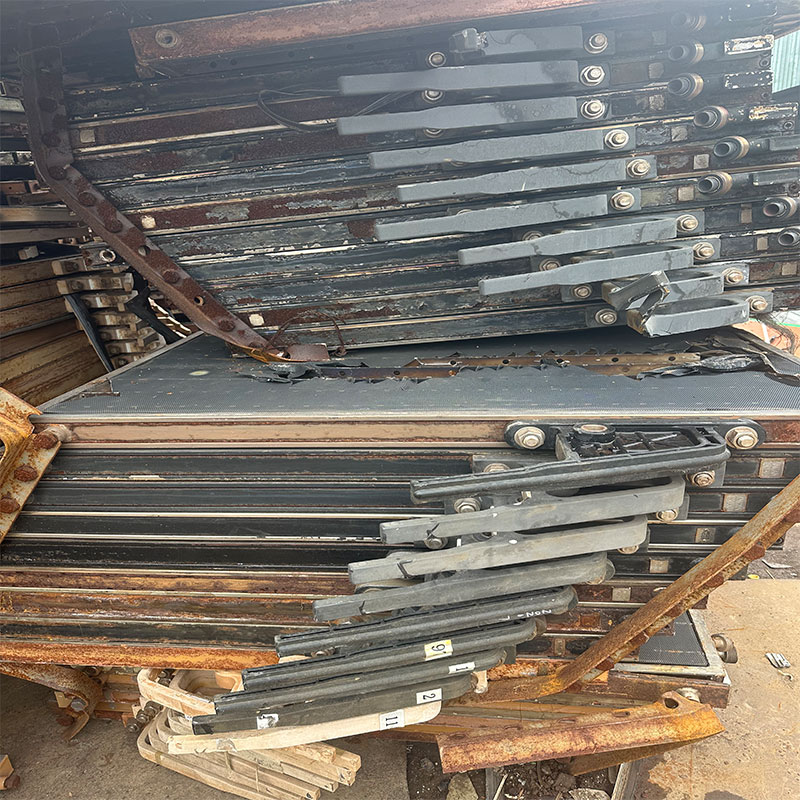
During the long-term use or replacement of outdated cathodic protection systems, a certain amount of waste MMO-coated titanium anodes are generated. These wastes contain high-value titanium substrates and precious metal oxide coatings such as ruthenium and iridium, which have significant recycling value. Professional recycling of waste anodes, through processes such as pretreatment, acid leaching, separation, and purification, can effectively enrich and recover precious metals, while achieving the recycling and regeneration of titanium substrates. This not only reduces resource waste and environmental pollution but also lowers the production cost of new anodes. It is recommended that relevant units cooperate with qualified professional recycling enterprises to standardize the collection, storage, and disposal processes of waste anodes, and promote the development of cathodic protection materials towards green, low-carbon, and circular utilization.