

 8613480627251
Platinum is an exceptional electrode material, characterized by excellent corrosion resistance, high electrocatalytic activity, and superior electrochemical performance. In specific electrolytic systems, platinum exhibits high efficiency for oxygen evolution and hydrogen evolution reactions, making it widely used in electrolysis, electrochemical synthesis, and other electrochemical industrial sectors.
However, as a scarce precious metal, platinum is costly. Relying on pure platinum for electrode fabrication entails high material costs, which, to some extent, limits its application in large-scale industrial production.
To balance electrode performance with manufacturing costs, platinum-coated titanium anodes were developed. These electrodes typically utilize a titanium substrate—leveraging its high specific strength, good corrosion resistance, thermal stability, and natural tendency to form a protective passivation film—upon which a layer of platinum is applied via electroplating, thermal treatment, or other suitable processes.
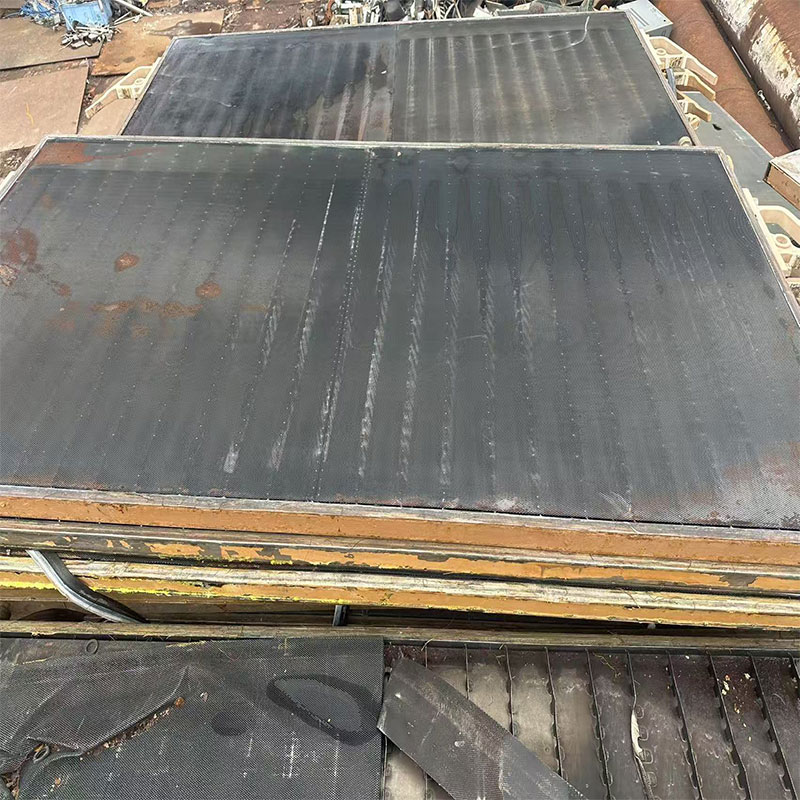
By combining the structural advantages of the titanium substrate with the electrochemical properties of the platinum coating, these anodes meet specific process requirements while significantly reducing the amount of pure platinum used, thereby lowering material costs.
Thanks to their robust corrosion resistance, electrical conductivity, and electrochemical activity, platinum-coated titanium anodes are employed in a wide range of electrolytic and electrochemical treatment applications. Their actual performance and service life are influenced by factors such as the thickness of the platinum layer, the adhesion of the coating, the preparation method, operating current density, electrolyte composition, and operating temperature.
As the electrochemical industry places increasing demands on electrode efficiency, stability, and cost-effectiveness, platinum-coated titanium anodes continue to hold significant value in relevant industrial applications.
Even after long-term use—should the coating age, partially delaminate, or the electrode’s performance decline—the platinum contained within remains valuable for recovery. The recycling value of a spent electrode is primarily determined by the residual platinum content, the condition of the coating, the weight of the titanium substrate, material specifications, and the results of analytical testing.
Dongguan J&F Precious Metal Trading Co., Ltd. specializes in the recycling of industrial precious metal scrap. We provide valuation and recycling services for items such as spent platinum-titanium anodes, platinum-coated titanium mesh, iridium-coated titanium plates, ruthenium-iridium-coated titanium anodes, and other electrode materials containing precious metals.
To obtain a valuation, please provide photographs of the materials, along with details regarding quantity, actual weight, dimensions, operational conditions, and any relevant composition analysis reports. Final pricing will be determined based on the verification and testing of the materials.