

 8613480627251
With the advancement of seawater desalination technology, titanium anodes have come to play a vital role in seawater electrolysis, the production of sodium hypochlorite, equipment anti-fouling, and various electrochemical water treatment systems. Titanium-based anodes coated with noble metal oxides offer excellent corrosion resistance, superior electrocatalytic performance, and dimensional stability, making them well-suited for operation in a wide range of marine and water treatment environments.
However, long-term operation leads to the gradual degradation of the anode coating, which can impair the electrochemical performance of the equipment. For seawater desalination plants, seawater intake systems, and companies responsible for the maintenance of such equipment, a thorough understanding of how titanium anodes are applied, how they fail, and when they require replacement is essential for ensuring stable system operation. Furthermore, spent titanium anodes may still contain residual noble metals—such as iridium or ruthenium—that are worth evaluating for potential recovery.
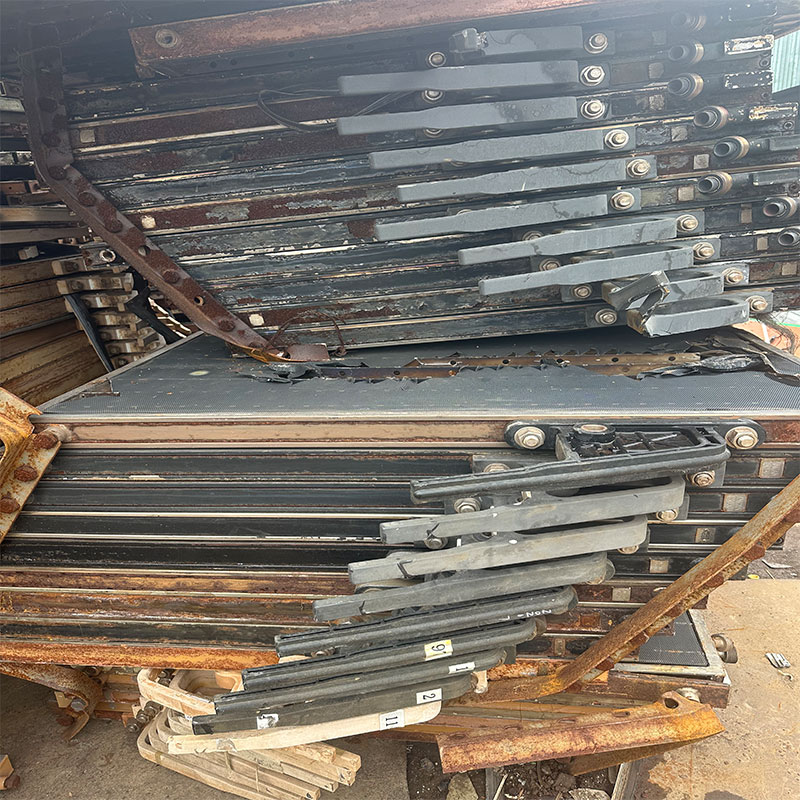
I. Key Applications of Titanium Anodes in Seawater Desalination Systems
1. Seawater Electrolysis and Sodium Hypochlorite Production
In some seawater desalination plants, the electrolysis of seawater to produce sodium hypochlorite is a common water treatment method. By electrolyzing seawater that contains chloride ions, the system generates chlorine-based substances with oxidizing and disinfecting properties. These are used to control biofouling within seawater intake pipelines, pre-treatment facilities, and related equipment.
Such systems typically employ titanium-based coated anodes. Depending on the electrolyte conditions and specific design requirements, coatings based on ruthenium-group noble metal oxides—optimized for chlorine evolution—are often selected to meet the necessary electrochemical reaction criteria.
The catalytic activity of the anode, the stability of its coating, and its corrosion resistance directly influence the efficiency of sodium hypochlorite production, as well as the equipment's energy consumption and maintenance intervals.
2. Electrochemical Anti-Fouling in Seawater Intake Systems
Seawater intake pipelines, filtration facilities, heat exchangers, and certain circulating water systems are highly susceptible to the attachment of marine organisms. Some systems utilize the active chlorine-based substances generated through seawater electrolysis to inhibit the settlement and growth of microorganisms and marine organisms on equipment surfaces.
In these applications, titanium anodes must operate for extended periods in environments containing both chlorides and salts. Consequently, the coatings are subject to stringent requirements regarding electrocatalytic performance, corrosion resistance, and operational stability. It should be noted that the design of seawater electrolysis-based antifouling systems must comply with local environmental regulations, with careful control over the generation and discharge of active chlorine.
3. Seawater Desalination Pretreatment and Electrochemical Water Treatment
Certain seawater desalination and industrial water treatment systems employ electrochemical oxidation, auxiliary disinfection, or other electrochemical treatment technologies. Titanium-based coated anodes can be integrated into these electrochemical units, tailored to specific reaction requirements.
Different processes impose varying requirements on anodes. For instance, systems dominated by chlorine-evolution reactions differ significantly from those dominated by oxygen-evolution reactions in terms of coating composition, operating potential, and service conditions. Therefore, the selection of an appropriate electrode system must be based on factors such as water quality, chloride ion concentration, operating current, and the target electrochemical reaction.
Furthermore, not all seawater desalination processes require titanium anodes. In reverse osmosis (RO) desalination systems, the core process is membrane separation; titanium anodes are typically used in auxiliary components—such as those for electrolysis, disinfection, or electrochemical treatment—rather than performing the desalination (salt removal) process itself.
II. Common Types of Titanium Anodes in Seawater Desalination Systems
Titanium anodes used in seawater desalination and related seawater treatment equipment generally consist of a titanium substrate and a functional surface coating. Common configurations include titanium mesh anodes, titanium plate anodes, tubular titanium anodes, and other customized structures.
| Anode Type | Key Characteristics | Typical Applications |
| Ruthenium-based Mixed Metal Oxide (MMO) Titanium Anodes | High electrocatalytic activity for chlorine evolution | Electrolytic production of sodium hypochlorite from seawater; electrolytic antifouling in seawater systems |
| Iridium-based Oxide Titanium Anodes | Excellent oxygen evolution performance and coating stability in compatible environments | Electrochemical treatment systems requiring oxygen evolution reactions |
| Tubular Titanium Anodes | Structure suited for specific tubular electrolytic devices | Certain seawater electrolysis and industrial water treatment equipment |
| Mesh or Plate-type Titanium Anodes | Effective reaction surface area can be tailored to the equipment design | Electrolytic cells, seawater treatment systems, and related electrochemical equipment |
In practical applications, the technical specifications provided by the electrode supplier and the specific process requirements of the equipment should serve as the primary reference. Determining the suitability of an electrode based solely on the type of precious metal in its coating is insufficient; one must also consider the substrate structure, coating formulation, current density, and water quality conditions.
III. Why Do Titanium Anodes Require Periodic Inspection and Replacement?
Titanium anodes are not permanent electrodes. Even if the titanium substrate remains intact, the precious metal oxide coating on the surface may gradually wear away over time, leading to a decline in electrochemical performance.
In seawater desalination and seawater electrolysis systems, the following factors can affect the service life of an anode:
Gradual coating wear: Long-term electrolytic operation can lead to the consumption of the active coating, which in turn alters the anode's reaction performance. Operating Current and Potential: Current density or potential levels outside the design range may accelerate the degradation of the coating.
Water Quality and Impurities: Impurities, sediments, and unusual chemical components in the water can affect the condition of the electrode surface.
Operational and Maintenance Conditions: Improper cleaning, mechanical abrasion, or unsuitable storage methods during downtime can cause damage to the coating.
Operating Environment: Factors such as temperature, flow rate, inter-electrode spacing, and the composition of the electrolyte can also influence the actual performance of the electrodes.
When electrode performance declines, it is not advisable to decide on replacement based solely on the length of service; instead, a comprehensive assessment should be conducted, incorporating operational data and inspection results.
IV. What signs indicate that a titanium anode may need replacement?
Personnel at seawater desalination plants and those responsible for equipment maintenance should pay close attention to the following indicators:
1. Sustained Increase in Cell Voltage
If the cell voltage remains consistently above normal operating levels—while current, temperature, and electrolyte conditions remain largely unchanged—the condition of the coating, electrical connections, inter-electrode spacing, and system scaling should be investigated.
2. Decline in Electrolytic Efficiency
A drop in sodium hypochlorite production or active chlorine concentration may be linked to changes in anode activity; however, other factors such as salinity, water temperature, power supply, flow rate, and process parameters should also be evaluated.
3. Visible Abnormalities on the Electrode Surface
If the coating is found to be peeling, exposing the underlying substrate, or showing signs of unusual corrosion or mechanical damage, the suitability of the electrode for continued operation must be assessed.
4. Significant Increase in Maintenance Frequency
If the system requires frequent adjustments to operating parameters, or if electrode performance cannot be restored to normal levels, the electrodes and associated equipment should be inspected by professionals to determine whether repair, recoating, or replacement is necessary.
For electrodes where the titanium substrate remains intact but the coating performance has degraded, one may consult a professional supplier regarding the feasibility of recoating. If the substrate itself is severely corroded, deformed, or damaged, a replacement strategy must be considered.
V. Do spent titanium anodes have value for precious metal recovery?
Used titanium anodes with potential recycling value typically include ruthenium-based coated titanium anodes (used in seawater electrolysis), iridium-oxide coated titanium electrodes, and other electrochemical electrode materials containing platinum-group metals.
The value of such scrap is primarily determined by the content of precious metals remaining in the surface coating, rather than solely by the weight of the titanium substrate.
Key factors influencing recycling value include:
Type of precious metals: The coating may contain ruthenium, iridium, or other precious metal components.
Condition of the coating: The coating may have experienced varying degrees of wear or loss after long-term use.
Substrate type and weight: The structure and proportion of the substrate vary depending on whether the electrode is a mesh, plate, or tube.
Material condition: The presence of scaling, attachments, mixed debris, or other forms of contamination.
Test results: In some cases, sampling, compositional analysis, or professional testing may be required to accurately determine the recycling value.
Therefore, the value of the scrap cannot be determined solely based on the original purchase price, product name, or external appearance. For materials where the amount of remaining coating is uncertain, an assessment must be made based on the specific circumstances.
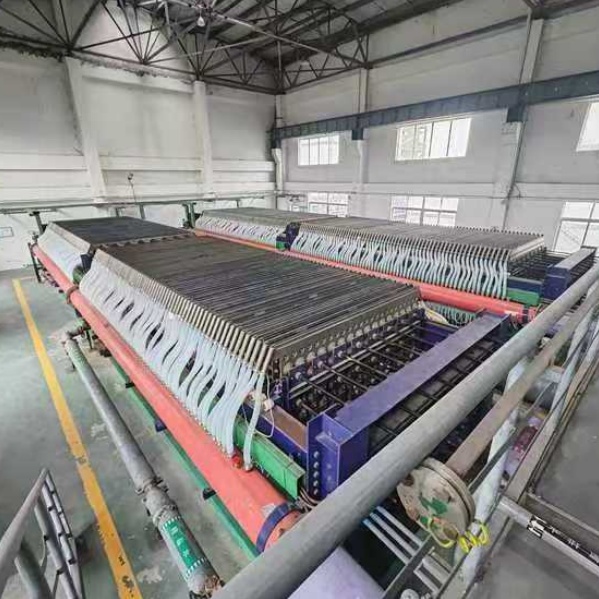
VI. Recycling Process for Used Titanium Anodes
To improve the efficiency of the recycling assessment, it is recommended that seawater desalination plants, equipment maintenance firms, and electrode manufacturers follow the process outlined below when handling used titanium anodes:
Step 1: Compile material information
Provide basic details such as the electrode type, original application, quantity, actual weight, dimensions, and operational history.
Step 2: Provide on-site photographs
Submit photos showing the overall appearance of the titanium mesh, plate, or tubular anodes, as well as the condition of the coated surfaces and any damaged areas. If available, include original specification sheets or reports detailing the coating composition.
Step 3: Preliminary assessment
Based on the material type, substrate condition, and known information about the coating, determine whether further sampling or testing is necessary.
Step 4: Inspection and compositional analysis
For materials with an uncertain composition or those handled in large batches, arrange for on-site inspections, sampling, analysis, or other necessary testing, as agreed upon by both parties. Step 5: Confirming the Quotation and Recycling Plan
The recycling plan, transaction terms, and logistics arrangements are determined based on the actual weight, precious metal content, condition of the materials, and testing results.
For large batches of spent electrodes, preparing an inventory list and photographs of the materials in advance can help streamline the evaluation process. Any dismantling or transportation activities must comply with on-site safety protocols and relevant environmental regulations.
VII. J&F Precious Metal Recycling: Services for Industrial Spent Titanium Anodes
Dongguan J&F Precious Metal Trading Co., Ltd. specializes in the recovery of industrial precious metal scrap. Our services cover spent titanium anodes, ruthenium-iridium coated titanium mesh, iridium-coated titanium plates, platinum-coated titanium electrodes, precious metal catalysts, and other industrial waste containing precious metals.
We provide services to desalination plants, manufacturers of seawater electrolysis equipment, industrial water treatment companies, and electrode maintenance service providers. J&F offers preliminary assessments based on material type, residual coating, the condition of the substrate, and relevant analytical data.
If you have spent seawater electrolysis anodes, titanium anodes from sodium hypochlorite generators, ruthenium-iridium coated titanium mesh, or other electrodes containing precious metals that require disposal, please contact J&F Precious Metal Recycling.
To facilitate the evaluation, please provide the following information whenever possible:
Overall photographs of the materials and close-up shots of their surfaces
Material name, original application, and specifications
Quantity and actual weight of the materials
Coating composition or relevant analytical/test reports (if available)
Current location of the materials and the intended method of delivery
We will conduct a preliminary assessment based on the information provided. The final recycling quotation will be determined by the actual condition of the materials and the results of necessary composition analysis.
Conclusion
Titanium anodes are critical components in electrochemical systems used in applications such as seawater desalination. Their selection, maintenance, and replacement directly impact operational efficiency and maintenance costs. By conducting regular inspections, promptly addressing any issues with the electrodes, and ensuring the proper recycling of precious metal-bearing waste at the end of their service life, enterprises can better manage the total lifecycle costs of their equipment while promoting the circular use of precious metal resources.