

 8613480627251
As environmental requirements for the global shipping industry continue to rise, the standardized treatment of ship ballast water has become a critical concern for shipowners, operators, and equipment manufacturers. The International Maritime Organization (IMO) *International Convention for the Control and Management of Ships' Ballast Water and Sediments* (Ballast Water Management Convention) sets clear requirements for the discharge of ballast water, with the "D-2 standard" specifying limits on the number of viable aquatic organisms permitted in discharged water. To ensure compliance, an increasing number of vessels are adopting ballast water treatment systems based on seawater electrolysis.
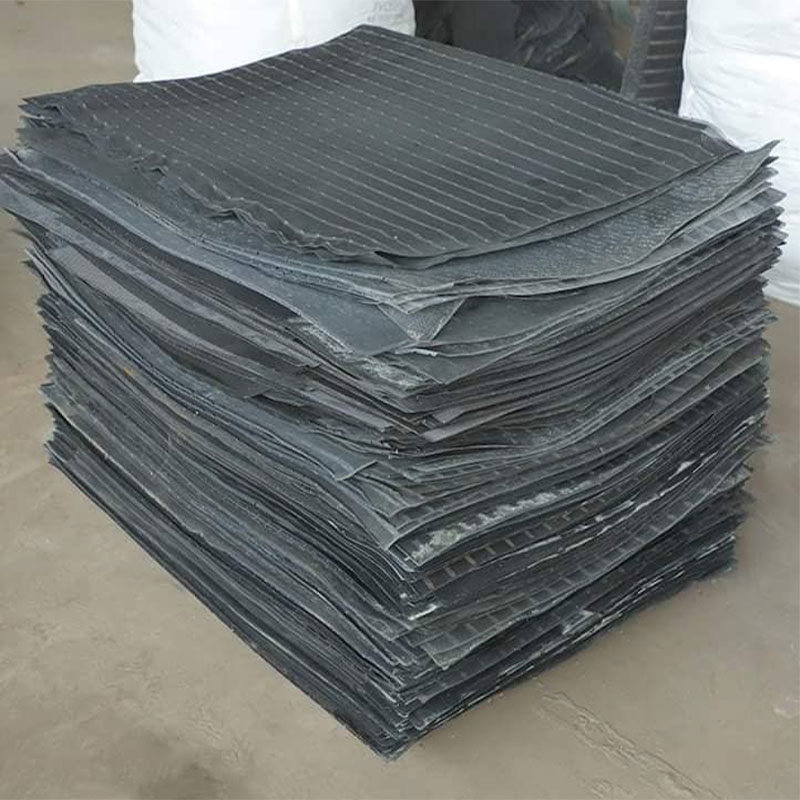
In such systems, titanium anodes serve as essential electrochemical components. Typically consisting of a titanium substrate coated with a catalytic layer of noble metal oxides, these anodes facilitate the electrolysis of seawater to generate oxidizing active substances, thereby reducing the survival risk of harmful aquatic organisms within the ballast water. Due to their excellent corrosion resistance and electrocatalytic activity, titanium anodes are of significant value in the field of ballast water treatment.
I. Diaphragm-free Electrolysis: In-situ Generation of Active Chlorine from Seawater
Seawater contains high concentrations of chloride ions, making it an effective electrolyte. Ballast water electrolysis systems leverage this property through a diaphragm-free electrolysis process: chloride ions in the seawater undergo oxidation at the surface of the titanium anode to produce chlorine gas, which subsequently forms active chlorine species—such as hypochlorous acid and hypochlorite—that possess strong oxidizing capabilities.
These active chlorine species disrupt the cellular structures and physiological functions of microorganisms and certain aquatic organisms, effectively controlling harmful biota within the ballast water.
Compared to electrolysis processes that utilize ion-exchange membranes to separate the anode and cathode compartments, diaphragm-free systems eliminate the need for a membrane structure. This results in a simpler overall design, which helps reduce both equipment complexity and maintenance requirements.
Throughout this process, the titanium anode functions primarily as an electrocatalyst for the chlorine evolution reaction. The mixed metal oxide (MMO) coating on its surface provides active reaction sites, promotes the oxidation of chloride ions, and enhances the electrochemical performance of the electrode within the seawater environment. The actual coating formulation is typically designed based on the electrolyte composition, operating current density, and specific running conditions; common components include ruthenium dioxide, iridium dioxide, and other metal oxides.
II. Titanium Substrate and Noble Metal Coating: Balancing Corrosion Resistance and Electrocatalytic Performance
The performance of a titanium anode depends primarily on the quality of the substrate, the composition of the coating, and the nature of the bond between them.
1. Titanium Substrate
Titanium offers excellent resistance to seawater corrosion, along with high mechanical strength and good workability, making it well-suited for the long-term operational requirements of marine ballast water treatment systems. Industrial titanium anodes generally utilize commercially pure titanium that meets relevant material standards—for instance, the titanium and titanium alloy plates, sheets, and strips covered by the ASTM B265 standard.
Under appropriate operating conditions, a dense oxide film forms on the titanium surface, providing the substrate with a degree of corrosion protection. Furthermore, titanium exhibits high dimensional stability and can be fabricated into various shapes—such as meshes, plates, or expanded metal—to accommodate the installation and operational needs of different electrolytic cells.
2. MMO (Mixed Metal Oxide) Coatings
While the titanium substrate provides structural support, the noble metal oxide coating on the surface is responsible for the electrocatalytic function.
Common MMO coatings include RuO₂, IrO₂, and other composite metal oxides. By optimizing the coating composition, thickness, and preparation process, one can enhance the electrode’s chlorine-evolution activity, electrical conductivity, and overall stability, ensuring it is well-suited for seawater electrolysis environments.
It should be noted that the current efficiency and energy consumption of a titanium anode are not determined solely by the coating material; they are also closely linked to factors such as chloride ion concentration, water temperature, current density, inter-electrode spacing, and specific equipment operating parameters. A carefully selected coating formulation is essential to achieving the right balance between target reaction activity and long-term service life.
III. Inhibiting the Proliferation of Aquatic Organisms: Ensuring Compliant Ballast Water Discharge
The core objective of ship ballast water treatment is to reduce the presence of microorganisms, plankton, and other aquatic organisms taken on during the ballasting process. This prevents these organisms from being transported to new marine environments, thereby avoiding the spread of invasive species and mitigating ecological risks.
Active chlorine, generated through the electrolysis of seawater, possesses strong oxidizing properties capable of inactivating a wide range of aquatic organisms. By treating ballast water in this manner, the concentration of organisms can be effectively controlled, ensuring that vessels meet relevant discharge standards.
Furthermore, active chlorine can inhibit certain microorganisms and biofilms, potentially reducing biofouling within the treatment system’s piping and equipment under appropriate conditions. However, the actual efficacy is influenced by factors such as water quality, flow rate, treatment duration, and the concentration of the oxidizing agent.
Prior to the discharge of ballast water, the system typically requires the monitoring of residual oxidants—in accordance with the specific treatment process and regulatory requirements—followed by neutralization or other measures to ensure levels remain within permissible limits, thereby preventing adverse impacts on the receiving waters.
IV. Service Life and Maintenance Requirements for Titanium Anodes
In ship ballast water treatment systems, the stability of the electrodes is directly linked to operational efficiency and maintenance costs.
While titanium anodes offer excellent structural stability, they do not have an indefinite service life. During long-term operation, the precious metal oxide coating may gradually degrade due to electrochemical reactions, localized overheating, the accumulation of impurities, or mechanical wear. As the activity of the coating declines or localized delamination occurs, the performance of the electrodes may be compromised.
Consequently, vessel operators should regularly inspect the electrolytic cells, electrode surfaces, and connection points—referencing equipment operational logs—while monitoring operating voltage, current fluctuations, and treatment efficacy. By carefully controlling current density, maintaining stable electrolyte conditions, and adhering to the manufacturer’s maintenance protocols, the effective service life of titanium anodes can be extended, thereby reducing unplanned downtime.
V. Recovery Value of Titanium Anodes Scrap
As ship ballast water treatment systems continue to operate, some titanium anodes will eventually be taken out of service—whether due to coating degradation, equipment upgrades, or system retrofitting. Such spent electrodes typically contain a titanium substrate, along with precious metals—such as ruthenium and iridium—that hold significant recovery value.
For spent MMO (mixed metal oxide) titanium meshes, plates, and tubular anodes, it is impossible to determine their precious metal content or recovery value based on appearance alone. A comprehensive assessment is required, taking into account factors such as the type of coating, usage history, material specifications, and actual analytical test results.
Dongguan J&F Precious Metal Trading Co., Ltd. specializes in the recycling of titanium anode scrap and other precious metal-bearing waste. The company provides professional recovery assessments for materials including spent MMO titanium anodes—such as those from marine ballast water treatment systems—as well as ruthenium-iridium coated titanium meshes, plates, and tubular anodes. Through material identification, precious metal content analysis, and expert evaluation, the company assists clients in the efficient recovery and utilization of spent electrode resources.
As environmental regulations for the maritime industry continue to evolve, seawater electrolysis technology remains highly valuable for ballast water treatment. As the core electrochemical component of these systems, the quality of the titanium anode substrate, the performance of its coating, and the effectiveness of its maintenance and management directly influence the system's treatment efficiency, operational stability, and long-term lifecycle costs.