

 8613480627251
Bipolar plates are core structural components in proton exchange membrane (PEM) electrolyzers, serving multiple functions such as conducting electrical current, distributing reactants, discharging gases, and providing structural support. They not only influence mass transport and electrochemical reaction efficiency within the electrolyzer but are also closely linked to the device's operational stability, service life, and manufacturing costs.
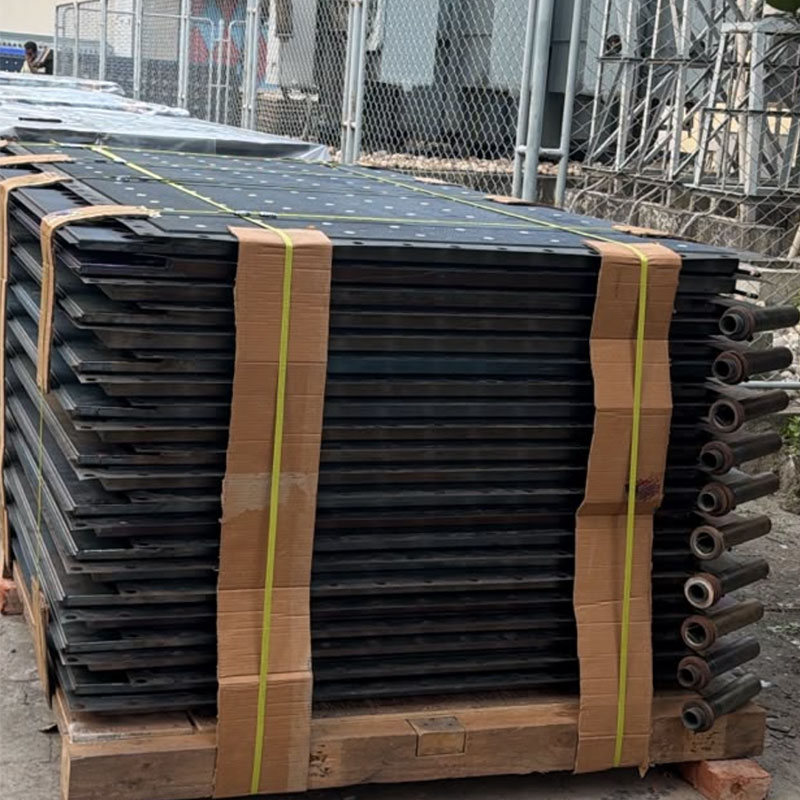
I. Primary Functions of Bipolar Plates in PEM Electrolyzers
In a PEM electrolyzer, bipolar plates are typically positioned between adjacent individual cells and serve as a vital part of the electrolyzer stack. Their key functions include the following:
1. Providing Structural Support
Bipolar plates must possess sufficient mechanical strength and dimensional stability to support the membrane electrode assembly (MEA) and other internal components, while ensuring the sealing and structural integrity of the electrolyzer stack.
2. Conducting Electrical Current
Bipolar plates are responsible for current transmission; they must exhibit high electrical conductivity to minimize contact resistance and energy loss, thereby ensuring the stable operation of the electrolyzer.
3. Distributing Reactants and Discharging Products
The surfaces of bipolar plates are typically engineered with flow channels to transport water, distribute reactants, and efficiently remove the hydrogen and oxygen gases generated during the electrolysis process. Well-designed flow channels help improve fluid distribution and enhance mass transfer efficiency.
4. Separating Reaction Zones
Within an electrolyzer stack, bipolar plates—in conjunction with sealing components—serve to isolate different reaction zones, reducing the risk of gas crossover and liquid leakage.
II. Why Is Titanium Used in PEM Electrolyzers?
The anode side of a PEM electrolyzer operates in a highly acidic environment and at a high potential, placing stringent demands on the corrosion resistance of the materials used.
While graphite plates and stainless steel plates—commonly used in traditional fuel cells—may suffice under certain operating conditions, they are prone to corrosion, oxidation, or performance degradation when exposed to the high-potential, highly acidic environment of a PEM electrolyzer anode.
For instance, some metallic materials may release metal ions as a result of corrosion. Once these ions enter the electrolysis system, they may contaminate the proton exchange membrane (PEM) or the catalyst layer, thereby impairing catalyst performance and the long-term stability of the electrolyzer.
Titanium exhibits excellent corrosion resistance and mechanical strength. With appropriate surface treatment, it can meet the requirements for key components within a PEM electrolyzer. On the anode side, in particular, titanium substrates provide a robust foundation for flow-field machining and structural design, helping to mitigate the risk of metal-ion contamination caused by corrosion.
III. Applications and Technical Requirements for Titanium Bipolar Plates
Although titanium possesses good corrosion resistance, a passive oxide film tends to form on its surface, which can increase the contact resistance between the electrode and the bipolar plate. Consequently, practical applications often necessitate surface modification, the application of conductive coatings, or other processes to enhance electrical conductivity and interfacial contact characteristics.
Furthermore, titanium bipolar plates must satisfy stringent requirements regarding machining precision, flow-field architecture, surface quality, and long-term operational stability. The selection of materials and surface treatment processes should be evaluated comprehensively, based on the specific design parameters and operating environment of the electrolyzer.
Conclusion: Bipolar plates are critical components in PEM electrolyzers, serving to facilitate current conduction, fluid distribution, and structural support. As the green hydrogen industry continues to develop, titanium—valued for its corrosion resistance, mechanical strength, and adaptability to manufacturing processes—has become highly significant for components on the anode side of PEM electrolyzers. Nevertheless, the surface electrical conductivity of titanium must still be optimized through suitable processing techniques to meet the technical requirements for high-efficiency, long-lifespan electrolyzers.