

 8613480627251
Titanium anodes are essential electrode materials in brine electrolysis and the chlor-alkali industry. They typically consist of a titanium substrate coated with metal oxides—such as those based on ruthenium, iridium, or a combination of iridium and tantalum. These anodes are characterized by high electrocatalytic activity, excellent electrical conductivity, and strong dimensional stability. However, they are not permanent components; during long-term operation, the coating gradually wears away, which can lead to a decline in electrode performance.
The service life of an anode is directly linked to the operational efficiency of the electrolytic cell, maintenance costs, and product quality. So, what factors influence the service life of titanium anodes? Key factors include the following:
1. Coating Quality and Adhesion
The performance of a titanium anode depends largely on its surface coating. The composition, thickness, and uniformity of the coating, as well as the strength of its bond to the titanium substrate, all affect the electrode's service life.
If the coating contains pinholes, cracks, localized peeling, or is unevenly distributed, the electrolyte may come into contact with the underlying titanium. This can cause the titanium surface to passivate, increasing electrical resistance and hindering normal operation. Therefore, standardized surface pretreatment, coating application, and heat treatment processes are essential for ensuring the long-term, stable operation of the anode.
2. Current Density and Operating Temperature
The operating parameters of an electrolytic cell significantly impact anode lifespan. Current density is a critical factor; operating consistently above the designed current density range can accelerate coating consumption and increase localized thermal stress, thereby shortening the electrode's service life.
Temperature is equally important. While a moderate increase in temperature can improve electrochemical reaction kinetics, excessively high temperatures may accelerate coating degradation and promote undesirable side reactions. Consequently, operators should carefully control current density, electrolyte temperature, and overall cell operating conditions based on the specific type of anode and the requirements of the process.
3. Brine Quality and Impurity Content
Impurities in the brine are a major factor affecting anode lifespan. Calcium and magnesium ions, for instance, tend to form deposits that cover the electrode surface, reducing the effective reaction area and causing uneven local current distribution. Metallic impurities, such as iron and copper, can also interfere with the electrolysis process by altering the operating environment at the electrode surface. During long-term operation, if the brine purification process is inadequate, the accumulation of deposits and contaminants will progressively worsen; this not only impairs anode performance but also necessitates more frequent maintenance of the electrolytic cell.
Consequently, maintaining high brine purity and enhancing filtration and purification processes are essential measures for extending the service life of titanium anodes.
4. Mechanical Vibration and Electrode Structure
During electrolysis, the continuous evolution of gases can induce vibrations in the electrodes and their associated structures. If an anode is not securely installed, or if the inter-electrode spacing is poorly designed, long-term operation may lead to issues such as mechanical wear or localized deformation.
Proper anode structural design, optimized electrolytic cell configuration, and regular inspections of electrode mountings help mitigate the impact of mechanical factors on the coating.
5. Routine Maintenance and Cleaning
Regular inspections allow for the timely detection of issues such as coating irregularities, surface deposits, or electrode deformation. When removing scale or other deposits, the cleaning method must be selected based on the specific composition of the deposits and the type of electrode coating.
It is important to note that improper acid cleaning, mechanical scraping, or other aggressive cleaning techniques can damage the functional surface coating. Furthermore, polarity reversal is not suitable for all types of titanium anodes; such procedures must be carried out strictly in accordance with the manufacturer’s technical specifications and the operational requirements of the equipment.
6. Coating Degradation and Economic Replacement Cycles
Reaching the end of its service life does not necessarily mean that the surface coating of a titanium anode has completely vanished. In industrial practice, the decision on whether an electrode retains economic value is typically based on indicators such as changes in cell voltage, energy consumption per unit of product, current efficiency, and product quality.
When anode performance consistently declines and operating costs rise significantly, repair or replacement may be necessary, even if some coating material remains.
7. Recycling and Recovery Value of Titanium Anodes Scrap
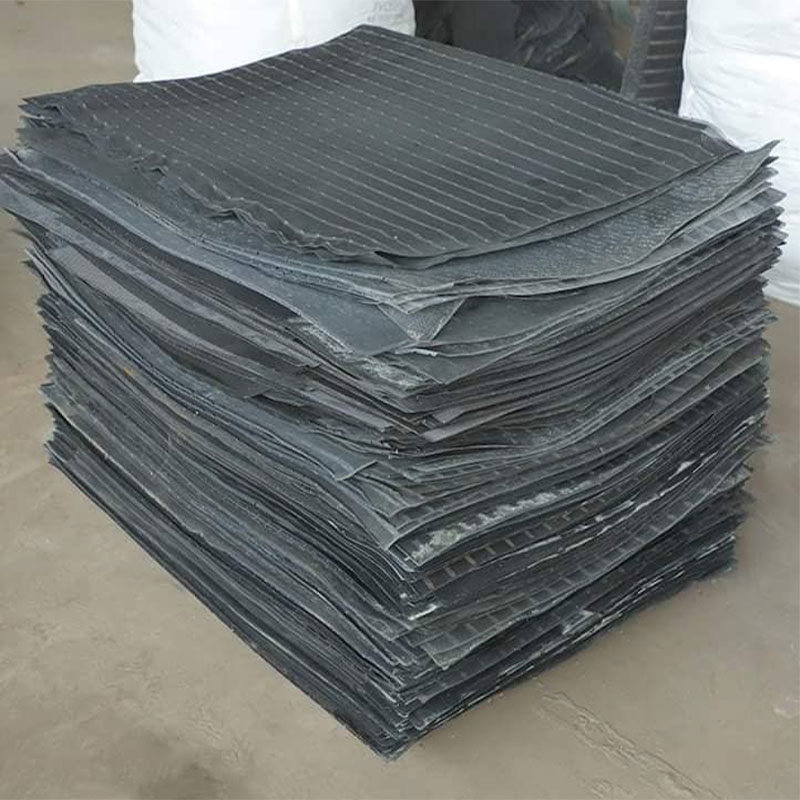
With ongoing advancements in coating technology and electrolytic processes, new types of metal-oxide coatings are enhancing both the stability and operational efficiency of titanium anodes. However, even after being retired from service, titanium anodes may still contain valuable metals such as iridium, ruthenium, tantalum, and platinum.
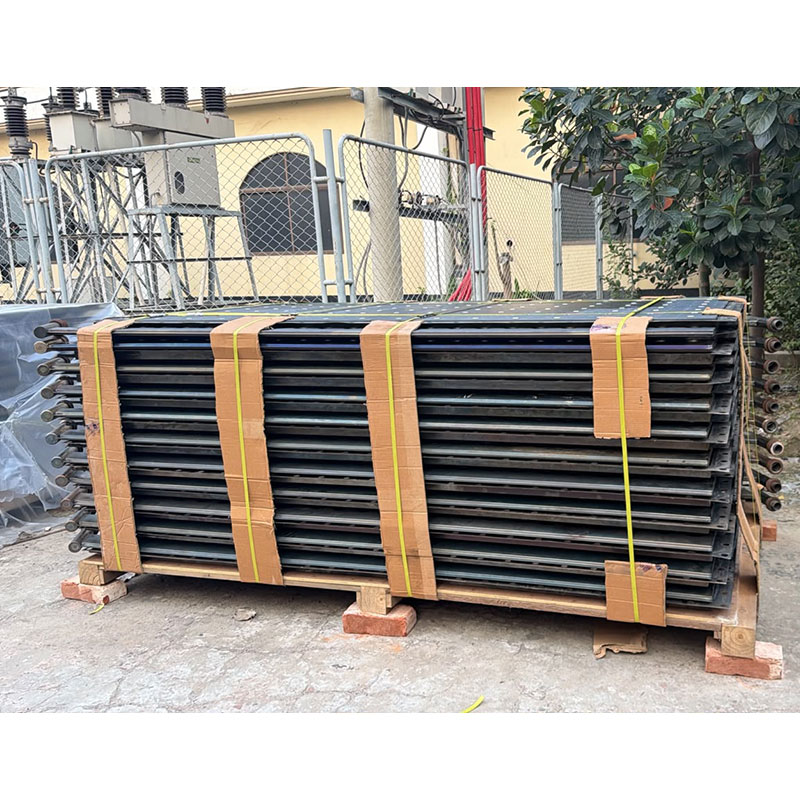
Dongguan J&F Precious Metal Trading Co., Ltd. specializes in the recycling of precious metals and industrial waste. We recover spent titanium anodes, MMO-coated titanium mesh, iridium-tantalum-coated titanium plates, titanium tubes, and other scrap materials generated from the dismantling of electrolytic cells. The specific recovery value is determined through a comprehensive assessment based on the coating type, precious metal content, the condition of the scrap, and laboratory test results.
In summary, the service life of a titanium anode is not determined by a single factor; rather, it is influenced by a variety of elements, including coating quality, operating parameters, brine purity, the mechanical environment, and maintenance management. By optimizing the electrolysis process, controlling impurity levels, and implementing standardized equipment maintenance, it is possible to extend the service life of anodes, thereby reducing production costs in the chlor-alkali industry and enhancing overall operational efficiency.