

 8613480627251
With the rapid development of the electronic information and new energy industries, the market has placed increasingly stringent demands on the thickness uniformity, surface quality, and dimensional precision of electrolytic copper foil. As a critical component in the production process, the surface condition and operational stability of titanium anode plates directly influence the quality of the copper foil produced.
In the production of electrolytic copper foil, titanium anode plates with stable performance and high-quality surface conditions help maintain uniform current distribution, creating optimal conditions for the stable electrodeposition of copper. However, as equipment continues to operate, scaling or deposits tend to accumulate on the anode surface. If not removed in a timely manner, these deposits can impair the proper functioning of the electrodes.
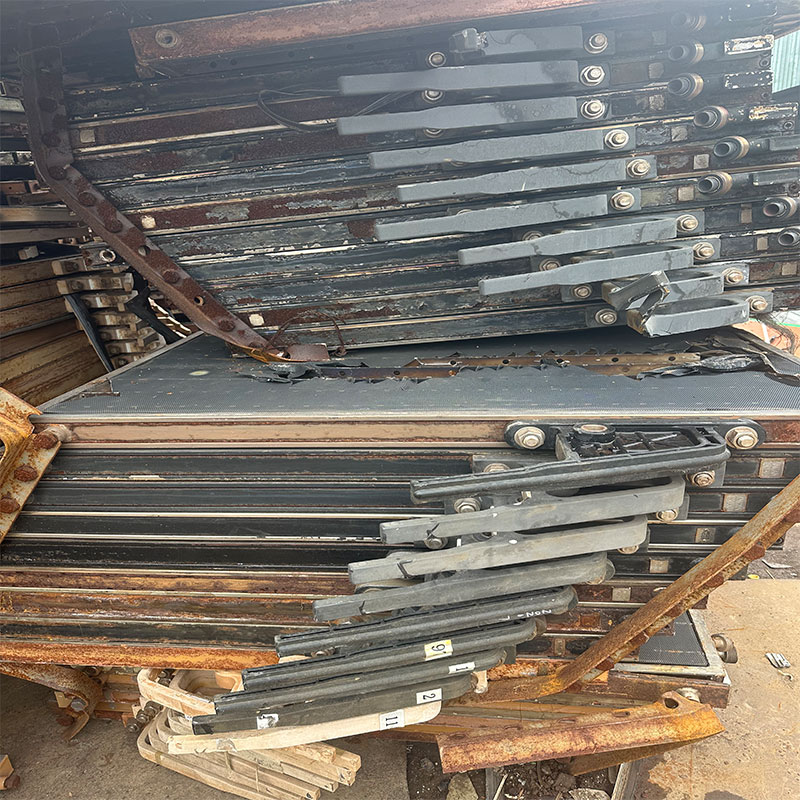
I. The Impact of Scaling on Titanium Anodes on Electrolytic Copper Foil Quality
When titanium anodes are exposed to an electrolytic environment for extended periods, various types of deposits can form on their surfaces, influenced by factors such as electrolyte composition, operating temperature, and current density. Such scaling alters the state of the anode surface, affecting the electrochemical reactions occurring between the electrode and the electrolyte.
First, a scaling layer increases the electrical resistance at the electrode surface, hindering current conduction. This can lead to an increase in the voltage across the electrolytic cell, thereby raising the electrical energy consumption per unit of product.
Second, if scaling is unevenly distributed across the anode surface, it can cause localized variations in current density and anode potential, leading to instability in the current distribution during the electrolysis process. These fluctuations subsequently affect the electrodeposition behavior of copper ions—including nucleation, crystal growth rates, and grain structure.
Ultimately, this instability in the electrodeposition process can result in deviations in copper foil thickness, degraded surface quality, and poor product consistency, making it difficult to meet the production requirements for high-precision electrolytic copper foil.
II. The Need for Periodic Cleaning and Maintenance of Titanium Anodes
To ensure the stable operation of the electrolytic system and mitigate the impact of scaling on the production process, it is generally necessary for manufacturers to periodically inspect and remove deposits from the surfaces of titanium anode plates, based on the specific operating conditions of the equipment. Timely cleaning improves the condition of the anode surface, reduces the interference of scaling on current distribution and electrochemical reactions, helps control cell voltage and energy consumption, and enhances the production stability of electrolytic copper foil.
However, it should be noted that the functional coatings on titanium anodes are subject to specific technical requirements. The cleaning process must not only effectively remove scale but also ensure that the coating structure and its adhesion to the substrate remain intact.
III. Traditional Descaling Methods for Titanium Anodes and Their Limitations
Common methods for descaling titanium anodes include mechanical cleaning, acid cleaning, and alkaline cleaning. Each approach has its own characteristics, as well as certain limitations.
1. Mechanical Cleaning
Mechanical cleaning is relatively straightforward and uses physical force to remove surface deposits. If the force applied is not carefully controlled, however, it can easily scratch or damage the functional coating on the anode surface, thereby compromising the electrode's catalytic activity and service life.
2. Acid Cleaning
Acid cleaning relies on the reaction between an acidic solution and certain types of deposits to remove scale. Different coating systems, however, have varying levels of tolerance to acidic environments. If the cleaning agent is poorly chosen, or if the concentration or treatment duration is not properly controlled, the coating may be damaged. Furthermore, acid cleaning necessitates the management of waste liquids, which entails additional costs and environmental compliance requirements.
3. Alkaline Cleaning
Alkaline cleaning is effective against specific types of deposits, though its performance depends on the composition of the scale and the cleaning conditions. For complex or strongly adherent deposits, this method may suffer from low cleaning efficiency and require longer processing times.
IV. Balancing Cleaning Efficiency with Coating Protection
In the production of electrolytic copper foil, the cleaning of titanium anodes must address surface scaling while simultaneously preserving the integrity of the functional coating. Enterprises should select an appropriate cleaning process based on the composition of the scale, the type of coating, and the technical specifications provided by the anode manufacturer, ensuring that improper maintenance does not lead to a degradation in electrode performance.
Establishing a well-defined cleaning schedule and maintenance standards can mitigate the impact of scaling on the electrolysis process, extend the effective service life of titanium anodes, and ensure consistent quality in the production of electrolytic copper foil.