

 8613480627251
In the field of industrial wastewater treatment, effluent from sectors such as textile printing and dyeing, pharmaceuticals, and fine chemicals often contains high concentrations of organic pollutants—some of which are recalcitrant (difficult to degrade) and require long treatment cycles. Conventional treatment processes may struggle to meet the requirements for consistent and stable performance when faced with such complex water matrices.
With the advancement of electrochemical water treatment technologies, advanced oxidation processes (AOPs) have emerged as a vital approach for the deep treatment of industrial wastewater. In these systems, titanium electrodes—serving as the critical anode—facilitate the *in situ* generation of active oxidizing species through electrolysis. This promotes the oxidative degradation of organic pollutants, offering a novel technical solution for the treatment of high-salinity and chloride-containing wastewater.
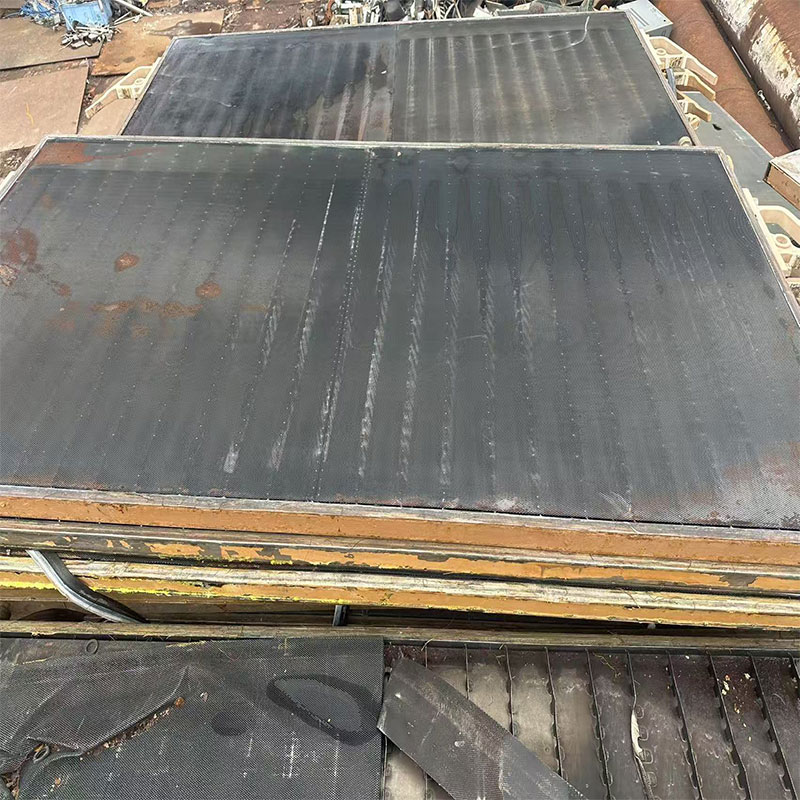
I. Why Is a Specialized Titanium Anode Required for Chloride-Containing Wastewater?
In wastewater treatment for textile printing and dyeing, pharmaceuticals, chemical manufacturing, and industrial parks, the effluent often contains not only high concentrations of organic matter but also significant levels of chloride ions. The presence of chloride ions alters the electrochemical reaction processes at the electrode surface and imposes more stringent requirements on the corrosion resistance of the anode material.
Traditional graphite anodes are prone to oxidative wear during prolonged electrolysis, while some lead-based anodes carry the risk of metal leaching. Such issues not only shorten the service life of the electrodes and increase equipment maintenance costs but may also lead to secondary contamination of the treated water.
Consequently, electrochemical treatment systems for industrial wastewater require anode materials that offer a combination of corrosion resistance, electrocatalytic activity, and structural stability.
Titanium-based electrodes coated with noble metal oxides have been developed specifically to address these needs. By utilizing a titanium substrate and applying a functional surface coating, these electrodes acquire the necessary electrochemical properties, making them well-suited for chloride-containing electrolytic systems.
II. Working Principle of Titanium Electrodes in Saline-Chlorinated Systems
Titanium electrodes designed for saline-chlorinated systems typically utilize commercially pure titanium as a substrate, which is then coated with noble metal oxides—such as those of ruthenium or iridium—to form a Dimensionally Stable Anode (DSA). In electrochemical advanced oxidation systems, oxidation reactions occur at the anode surface when an electric current passes through the electrolytic cell. Depending on factors such as the chloride ion concentration in the wastewater, pH value, current density, and the composition of the electrode coating, the following reactions may take place:
1. In-situ Generation of Active Chlorine
When chloride ions are present in the wastewater, the anode can facilitate their oxidation to produce chlorine gas, which subsequently forms active chlorine species—such as hypochlorous acid—within the aqueous solution.
These active chlorine species possess strong oxidizing capabilities, enabling them to react with various organic pollutants and promote their decomposition and transformation.
2. Promotion of Oxidative Degradation of Organic Pollutants
Under appropriate electrochemical conditions, the anode can also participate in the oxidation of water molecules, generating surface-active species with oxidative potential. Oxidation mechanisms vary depending on the electrode material and the specific reaction system; therefore, actual performance must be verified based on the electrode type and water quality conditions.
3. Synergistic Effect of the Titanium Substrate and Coating
The titanium substrate primarily serves to provide electrical conductivity and structural support, while the noble metal oxide coating on the surface offers electrocatalytic activity. This combination ensures that the electrode maintains excellent dimensional stability and electrochemical performance in chloride-containing environments, which helps sustain the long-term operation of the electrolytic system.
It should be noted that oxidation via active chlorine does not encompass all types of advanced oxidation reactions. In practical treatment processes, attention must also be paid to potential by-products—such as chlorinated by-products, chlorates, and perchlorates—which must be controlled in compliance with discharge standards.
III. Application Value of Titanium-Based Coated Anodes for Water Treatment Facilities
For industrial wastewater treatment operators, electrodes not only influence the efficiency of pollutant degradation but also impact system operating costs, maintenance frequency, and treatment stability. The use of suitable titanium-based coated anodes offers several key advantages:
1. Enhanced Operational Stability of Equipment
The titanium substrate provides robust structural stability; when paired with a noble metal oxide coating tailored to specific operating conditions, it ensures consistent electrochemical performance within the electrolytic environment. Compared to traditional electrodes—which are prone to significant wear—these anodes help reduce the maintenance burden associated with frequent replacements, thereby ensuring the continuous operation of treatment equipment. 2. Optimization of Long-Term Operating Costs
While the initial investment for titanium-based coated electrodes may be relatively high, their service life and maintenance performance—provided the coating formulation is well-matched to the specific operating conditions—can help reduce long-term costs.
Furthermore, electrochemical systems can generate active chlorine *in situ* based on treatment requirements, thereby reducing reliance on externally procured chemical agents such as sodium hypochlorite. However, the actual extent of energy consumption and chemical savings depends on factors such as wastewater quality, current efficiency, treatment objectives, and system design.
3. Reduction of Secondary Pollution Risks from Electrode Materials
A well-designed titanium-based anode with a noble metal oxide coating minimizes the risk of degradation of both the substrate and the coating material under normal operating conditions. Unlike some traditional anode materials that may release metals into the solution, these electrodes help mitigate the risk of additional metal contamination.
Nevertheless, the condition of the coating and the operational performance of the electrodes must be monitored periodically to prevent any decline in treatment efficacy caused by coating aging, delamination, or abnormal operating conditions.
4. Enhanced Adaptability for Complex Wastewater Treatment
For industrial wastewater with high salinity that requires oxidative treatment, electrochemical oxidation offers a flexible approach. By adjusting parameters such as current density, electrolysis duration, and electrode configuration, treatment strategies can be optimized for specific water quality profiles, thereby facilitating subsequent biological or advanced treatment processes.
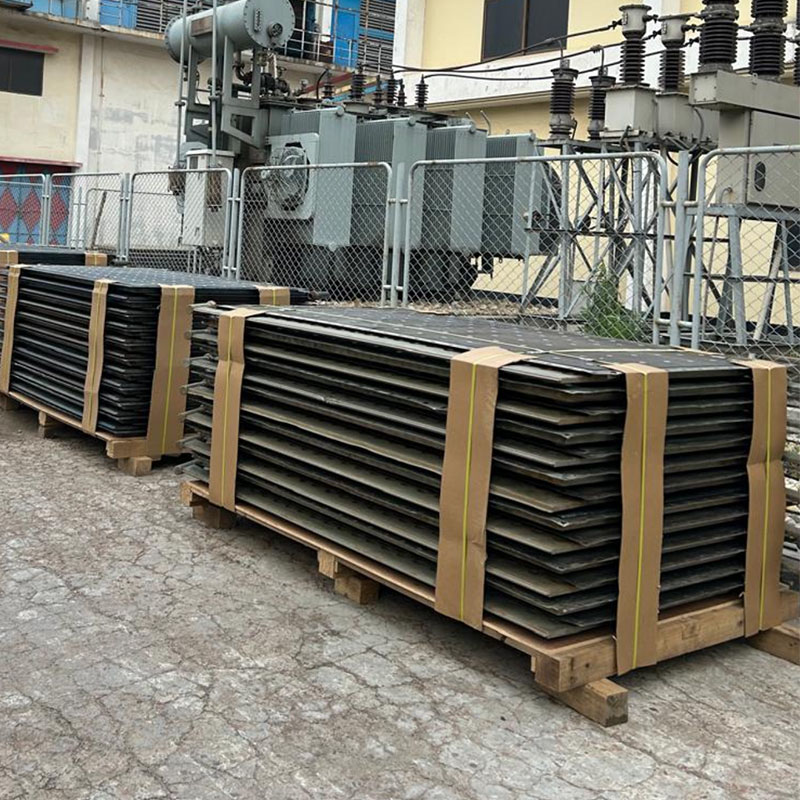
IV. Other Applications of Titanium Electrodes in Saline-Chlorination Systems
The material design and electrochemical principles underlying titanium electrodes used in saline-chlorination systems are also applicable to other industrial scenarios that require the *in situ* generation of active chlorine via electrolysis:
Industrial Circulating Cooling Water Treatment: Active chlorine is generated *in situ* by electrolyzing water containing chloride ions, which helps control microbial growth and improves the operating environment of circulating water systems.
Ship Ballast Water and Related Water Treatment: In systems that comply with relevant regulations and process requirements, electrolysis can be used to generate disinfecting agents for water treatment.
Electrolytic Antifouling in Seawater: Electrochemical reactions are employed to generate active substances that inhibit biofouling on the surfaces of seawater piping and equipment.
Treatment of Saline Industrial Wastewater: For certain types of high-salinity organic wastewater, electrochemical oxidation can be utilized to degrade pollutants and facilitate advanced treatment. It should be noted that different application scenarios impose varying requirements on electrode coating formulations, substrate structures, operating currents, and corrosion resistance. A single type of titanium electrode cannot be assumed suitable for all water treatment systems; therefore, selection and validation must be based on specific operating conditions.
V. Recycling of Spent Titanium Anodes and Recovery of Precious Metal Resources
The ongoing use of electrochemical water treatment equipment in industrial production inevitably generates a certain volume of spent titanium anodes, including MMO (mixed metal oxide) titanium meshes, plates, and other coated titanium electrodes.
Even when such electrodes have lost their original electrocatalytic performance, their titanium substrates may still retain coatings of precious metal oxides—such as ruthenium or iridium—making them valuable for recovery and recycling.
When evaluating spent titanium anodes for recycling, the assessment should not rely solely on the total weight of the material; rather, it must account for several key factors:
- Substrate Material: Whether the structure consists of titanium mesh, plates, tubes, or other titanium-based forms.
- Coating Type: Whether the coating is based on ruthenium, iridium, or other precious metal oxides.
- Coating Condition: The duration of service, the extent of wear, and the integrity of the remaining surface coating.
- Quantity and State: The actual weight, specifications, and whether the material is mixed with other substances.
- Precious Metal Content: Evaluated based on material characteristics and the results of sampling and analysis.
Dongguan J&F Precious Metal Trading Co., Ltd. specializes in the recycling and trading of industrial waste containing precious metals. Our scope includes spent titanium anodes, MMO/DSA-coated titanium meshes and plates, and other industrial electrode waste containing precious metals such as ruthenium, iridium, and platinum.
Enterprises looking to dispose of such waste may provide photographs, information on the source, quantity, specifications, and material composition to facilitate initial consultation and recycling assessment.
VI. Advancing Industrial Wastewater Treatment and the Circular Use of Metal Resources
As industrial wastewater discharge standards continue to tighten—and with an increasing corporate focus on energy conservation, consumption reduction, and "green" production—electrochemical advanced oxidation technologies are poised for further development within the industrial water treatment sector. Titanium electrodes used in chlorination systems—leveraging the synergistic effect between a titanium substrate and a coating of noble metal oxides—serve as a vital anode option for the electrolytic treatment of chloride-containing wastewater. Their practical utility should be evaluated by considering factors such as wastewater composition, treatment objectives, electrode performance, and operational costs.
Furthermore, the noble metals remaining in spent titanium anodes hold recovery value. Integrating electrode application, equipment maintenance, and the recycling of end-of-life materials not only enhances the efficiency of industrial resource utilization but also drives the electrochemical water treatment industry toward greater economic viability, environmental friendliness, and sustainability.