

 8613480627251
Iridium-tantalum coated titanium anodes are a type of Dimensionally Stable Anode (DSA). They consist of an industrial-grade pure titanium substrate coated with a functional layer of metal oxides—specifically iridium and tantalum—that possess electrocatalytic activity. Since the introduction of Dimensionally Stable Anode technology into industrial electrolysis, these electrodes have become a vital material in the chlor-alkali industry and other electrochemical sectors, owing to their high electrocatalytic activity, excellent corrosion resistance, and long service life.
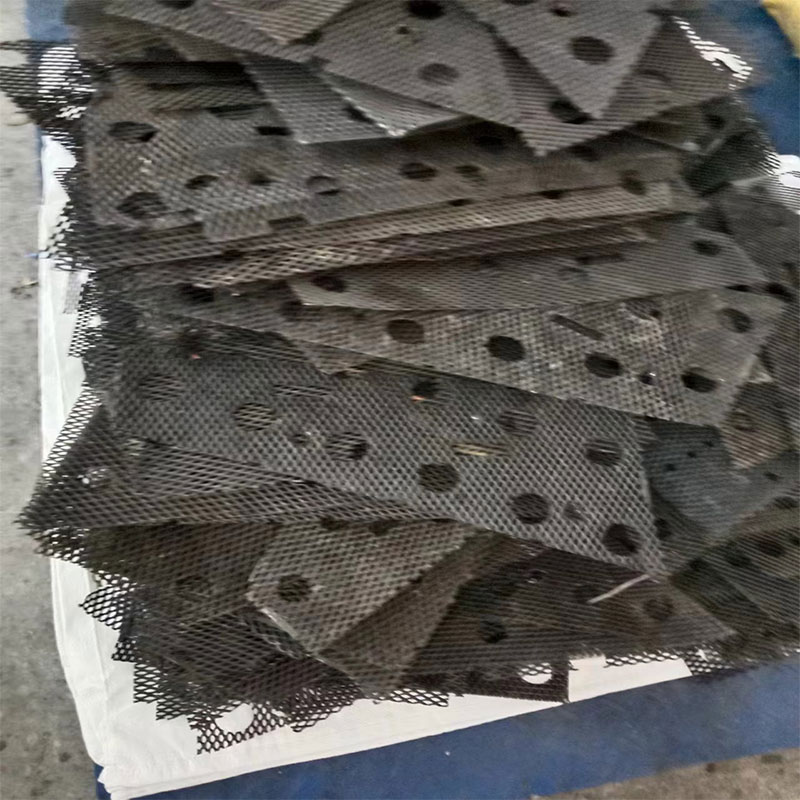
In the process of brine electrolysis, the anode material directly influences chlorine evolution efficiency, energy consumption, product quality, and the operational stability of the equipment. Compared to traditional materials like graphite anodes, iridium-tantalum coated titanium anodes offer several technical advantages:
I. Superior Electrocatalytic Performance, Reducing Electrolytic Energy Consumption
One of the most prominent advantages of iridium-tantalum coated titanium anodes is their high electrocatalytic activity.
During brine electrolysis in the chlor-alkali industry, the anode primarily facilitates the oxidation of chloride ions to produce chlorine gas. Iridium-based oxides provide active sites for the chlorine evolution reaction, enhancing reaction kinetics at the electrode surface, while tantalum oxides contribute to the stability and overall performance of the coating.
By optimizing the formulation of the iridium-tantalum oxide coating, the overpotential for the chlorine evolution reaction can be lowered, thereby reducing voltage loss during electrolysis. Under identical production conditions, this helps to improve current efficiency and decrease electrical energy consumption.
For chlor-alkali production facilities that require long-term, continuous operation, optimizing energy consumption at the electrodes directly impacts production costs and overall economic efficiency.
II. Excellent Corrosion Resistance, Extending Electrode Service Life
Industrial electrolysis environments are typically highly corrosive; particularly in the presence of high-concentration brine and chlorine gas, electrode materials must withstand sustained electrochemical stress.
Iridium-tantalum coated titanium anodes utilize a titanium substrate, which offers both high mechanical strength and robust corrosion resistance. The noble metal oxide coating on the surface provides the necessary electrocatalytic activity and protects the titanium substrate under designed operating conditions, mitigating the impact of substrate passivation on electrode performance.
This structure—combining a substrate with a coating—ensures excellent operational stability for the electrode under appropriate current density, temperature, and electrolyte conditions. This reduces both the maintenance costs associated with frequent electrode replacement and the risk of production downtime.
III. High Dimensional Stability, Ensuring a Stable Electrolysis Process
Dimensional stability is a key characteristic of Dimensionally Stable Anode (DSA) titanium anodes.
Traditional graphite anodes are prone to corrosion, consumption, and dimensional changes during long-term electrolysis, which can alter the inter-electrode gap and current distribution. In contrast, titanium anodes with iridium-tantalum coatings utilize a titanium substrate for structural support; the substrate does not undergo continuous dissolution during operation, unlike consumable anodes.
Because the shape and dimensions of the electrode remain relatively stable, the current distribution within the electrolytic cell stays more uniform, minimizing issues caused by localized, abnormal current densities. Furthermore, stable electrode performance helps maintain consistent process parameters, enhancing the continuity and controllability of chlorine gas production.
IV. High Selectivity for Chlorine Evolution, Improving Electrolytic Efficiency
During the electrolysis of brine, competing reactions—such as oxygen evolution—can occur alongside the primary chlorine evolution reaction. The catalytic properties of different anode materials directly influence the efficiency of chlorine generation and the extent of these side reactions.
Iridium-based oxide coatings exhibit excellent catalytic performance for chlorine evolution. By optimizing the coating composition and electrode structure, it is possible to enhance selectivity for the target reaction while suppressing unwanted side reactions.
Superior selectivity for chlorine evolution not only boosts chlorine production efficiency but also helps optimize the operating conditions of the electrolytic cell. It should be noted, however, that actual chlorine evolution efficiency is influenced by factors such as brine purity, temperature, flow rate, current density, and the condition of the electrode surface; these variables must be managed according to the specific process requirements.
V. Reduced Maintenance Burden and Improved Long-Term Economic Benefits
For industries such as chlor-alkali production, electrochemical manufacturing, and other continuous-process sectors, the procurement cost of electrodes represents only one component of the total operational cost. Factors such as electrode replacement, downtime for maintenance, energy consumption, and production efficiency all impact the overall investment.
Thanks to their excellent electrochemical and dimensional stability, iridium-tantalum coated titanium anodes can—under appropriate operating conditions—reduce the frequency of electrode replacement and lower the burden of equipment maintenance.
Although the initial procurement cost may be higher than that of some traditional anode materials, the long-term operational benefits—including reduced maintenance requirements, stable electrochemical performance, and potential energy savings—contribute to better cost-effectiveness over the entire lifecycle of the equipment.
VI. Better Alignment with Modern Industrial Environmental and Resource Utilization Standards
Unlike some traditional lead-based anodes, iridium-tantalum coated titanium anodes do not rely on toxic metals like lead or mercury as primary components, thereby minimizing the risk of introducing such hazardous substances into the electrolysis system.
Furthermore, their extended service life helps reduce the volume of spent electrodes, as well as the frequency of material replacement and disposal. Spent iridium-tantalum coated titanium anodes may still retain valuable precious metals—such as iridium—on their surfaces, which can be recovered and repurposed through specialized testing and recycling processes.
VII. The Recycling Value of Iridium-Tantalum Coated Titanium Anodes Scrap
As the use of iridium-tantalum coated titanium anodes expands across sectors like the chlor-alkali industry, chemical electrolysis, and water treatment, spent coated titanium electrodes—generated during equipment maintenance and replacement—have increasingly become a significant source for precious metal recovery.
Such waste typically includes iridium-tantalum coated titanium mesh, plates, tubes, and other titanium-based electrodes. Even if an electrode has lost its original electrocatalytic performance, its surface may still contain metallic elements like iridium or tantalum, making it a candidate for further evaluation and recovery.
Dongguan J&F Precious Metal Trading Co., Ltd. specializes in the recycling and trading of industrial waste containing precious metals. The company recovers spent iridium-tantalum coated titanium anodes, ruthenium-iridium coated titanium mesh, MMO/DSA titanium electrodes, and other industrial waste materials that contain precious metals. The valuation for recycling is generally determined by a comprehensive assessment that considers the substrate material, coating composition, wear and tear from use, actual weight, and analytical test results. Overall, iridium-tantalum coated titanium anodes—characterized by excellent catalytic performance for chlorine evolution, high corrosion resistance, dimensional stability, and cost-effectiveness during long-term operation—hold significant value in the chlor-alkali industry and related electrochemical fields. Furthermore, the efficient recovery and utilization of the titanium substrates and precious metal components from spent anodes represent a crucial step in advancing industrial circularity.