

 8613480627251
A titanium anode is an electrochemical electrode material consisting of a titanium substrate covered with a functional metal oxide coating. Such anodes are widely used in fields including the chlor-alkali industry, electroplating, electrolytic water treatment, seawater desalination, and chemical production. While titanium possesses excellent mechanical strength and corrosion resistance, a bare titanium substrate is often insufficient to meet the requirements for efficient electrochemical reactions during actual electrolysis. Consequently, the surface of the titanium substrate is typically coated with metal oxides—such as those of ruthenium, iridium, or tantalum—to create a functional layer with specific electrochemical properties.
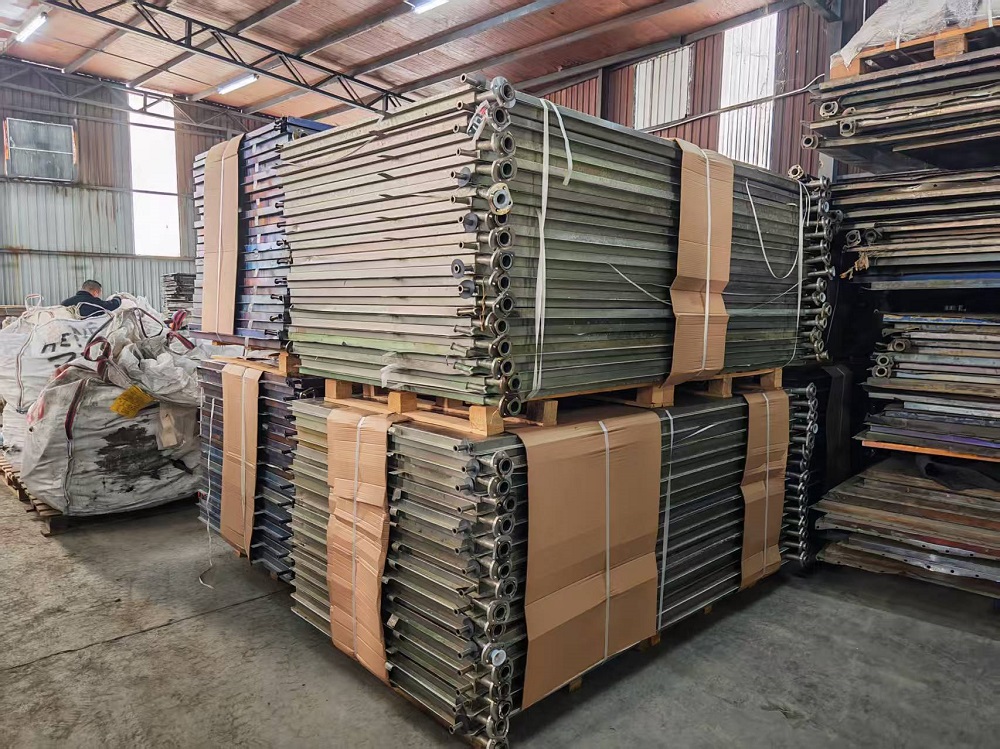
Metal oxide coatings not only enhance the electrical conductivity and electrocatalytic performance of titanium anodes but also improve their corrosion resistance, dimensional stability, and energy efficiency. Their primary functions are summarized in the following five aspects:
I. Improving Electrical Conductivity at the Electrode Surface
Although titanium offers good mechanical properties and corrosion resistance, a passive oxide film tends to form on its surface. Under certain conditions, this film increases the resistance at the electrode interface, thereby hindering electron transport efficiency.
By applying a conductive metal oxide coating to the titanium substrate, the electron transport conditions at the electrode surface are improved, and interfacial resistance is reduced. This allows for a more stable flow of current across the electrode surface, meeting the conductivity requirements of industrial electrolysis processes.
For instance, in the chlor-alkali industry, ruthenium-based metal oxide coatings provide an electrochemically active interface for the chlorine evolution reaction, helping to maintain a stable current output and increasing the operational efficiency of the electrolysis process.
II. Enhancing Electrocatalytic Activity and Reaction Efficiency
Electrocatalytic performance is a key advantage of metal oxide-coated titanium anodes. Since different metal oxides exhibit distinct catalytic characteristics, the appropriate coating material can be selected based on the specific electrolytic system and the target reaction.
Primarily, metal oxide coatings serve to accelerate the rate of electrode reactions. In electrochemical reactions such as chlorine or oxygen evolution, coatings with high catalytic activity can lower the activation energy required for the reaction, facilitate electron transfer at the electrode surface, and promote the conversion of reactants, thereby enhancing electrolysis efficiency.
Furthermore, coating materials can influence the selectivity of electrode reactions. By carefully selecting the coating composition based on the specific electrolyte and operating conditions, it is possible to promote the desired reaction while suppressing unwanted side reactions. For instance, ruthenium-based coatings are typically well-suited for chlorine evolution environments, whereas iridium-based oxides are commonly used for oxygen evolution reactions.
Consequently, the design of coatings for titanium anodes must take into account factors such as electrolyte composition, operating current density, the type of reaction, and the service environment to fully leverage their electrocatalytic advantages.
III. Enhancing Corrosion Resistance and Extending Electrode Service Life
Titanium anodes often operate in complex chemical environments—such as acidic, alkaline, or saline electrolytes—where they are subjected to the combined effects of electrochemical reactions and chemical media. Although the titanium substrate itself possesses good inherent corrosion resistance, it may still undergo passivation or suffer interfacial damage under certain conditions, such as high potentials or highly corrosive environments.
Metal oxide coatings form a functional protective layer on the surface of the titanium substrate, limiting direct contact between the substrate and the electrolyte, thereby reducing the risk of corrosion and damage to the substrate.
Moreover, metal oxides—such as those of ruthenium, iridium, or tantalum—exhibit excellent chemical stability in their respective operating environments, helping the electrode maintain consistent catalytic performance.
It should be noted that the corrosion resistance and suitable operating conditions vary depending on the type of coating. If a coating experiences wear, cracking, or localized delamination, the performance of the electrode may decline. Therefore, the quality of the coating, the fabrication process, and the actual operating conditions all influence the service life of a titanium anode.
IV. Maintaining Dimensional Stability to Ensure Continuous Equipment Operation
In industrial electrolysis processes, the dimensions, surface state, and structural stability of the electrodes are directly linked to the operational efficiency of the electrolytic cell. A high-quality metal oxide coating must form a strong bond with the titanium substrate, ensuring the coating remains relatively stable under long-term electrochemical conditions and minimizing issues such as cracking or peeling caused by thermal fluctuations, electrochemical stress, or mechanical forces.
Strong coating adhesion helps maintain the original shape and structure of the electrode, reduces performance fluctuations, and ensures the long-term, continuous operation of the electrolytic cell.
For large-scale chlor-alkali electrolytic cells, electroplating equipment, and industrial water treatment systems, the structural stability of the electrodes is critical—not only for operational efficiency but also for determining the frequency of maintenance and overall production costs.
V. Reducing Reaction Overpotential and Energy Consumption
Overpotential is the difference between the actual potential required for an electrode reaction and the theoretical equilibrium potential. A higher overpotential generally implies that the electrode reaction requires the consumption of additional electrical energy.
By enhancing the catalytic activity of the electrode surface, metal oxide coatings can lower the overpotential for reactions such as chlorine or oxygen evolution, allowing electrochemical processes to occur at a lower additional voltage.
In large-scale industrial electrolysis, reducing electrode overpotential offers significant economic value. Even a modest decrease in the voltage per electrode can lead to substantial energy savings over long periods of operation, while simultaneously lowering equipment operating costs.
Therefore, selecting a metal oxide coating that offers high catalytic activity, excellent stability, and suitability for specific operating conditions is a key strategy for improving the energy efficiency of industrial electrolysis systems.
Conclusion: Metal Oxide Coatings Define the Core Performance of Titanium Anodes
Metal oxide coatings are the essential components that enable titanium anodes to perform their electrochemical functions. Their properties directly influence the electrode’s electrical conductivity, electrocatalytic activity, corrosion resistance, structural stability, and energy consumption.
As sectors such as the chlor-alkali industry, electrochemical water treatment, seawater desalination, electroplating, and new energy continue to develop, the range of applications for titanium anodes is expanding. Consequently, electrode materials featuring coatings that incorporate precious metals—such as ruthenium, iridium, and platinum—are receiving increasing attention. Meanwhile, used titanium anodes—including DSA/MMO titanium meshes, titanium plates, and electrodes coated with noble metal oxides—may still hold value for resource recovery. Facilities and operators that generate such waste should conduct assessments based on factors including the material's origin, coating type, noble metal content, and current condition. Through standardized recycling and resource reuse, it is possible to enhance material utilization efficiency and minimize resource waste.