

 8613480627251
The metal oxide coating is the core functional layer of titanium anodes, which directly determines the electrochemical performance, service life, and operational efficiency of titanium anodes. It plays an irreplaceable role in electrochemical scenarios such as chlor alkali electrolysis, electroplating, and water treatment. Its main functions and the recycling value of waste anodes are as follows:
One is to improve the conductivity of the electrode. The pure titanium substrate itself has limited conductivity. After preparing a metal oxide coating on the surface, a continuous and stable conductive network can be constructed on the electrode surface, greatly improving the overall conductivity of the titanium anode, ensuring efficient electron transfer at the interface, and allowing the electrolytic reaction to continue to develop stably. Taking the chlor alkali industry as an example, a uniform and continuous conductive coating can ensure uniform current distribution, avoid local current concentration, and ensure stable operation of the electrolysis system.
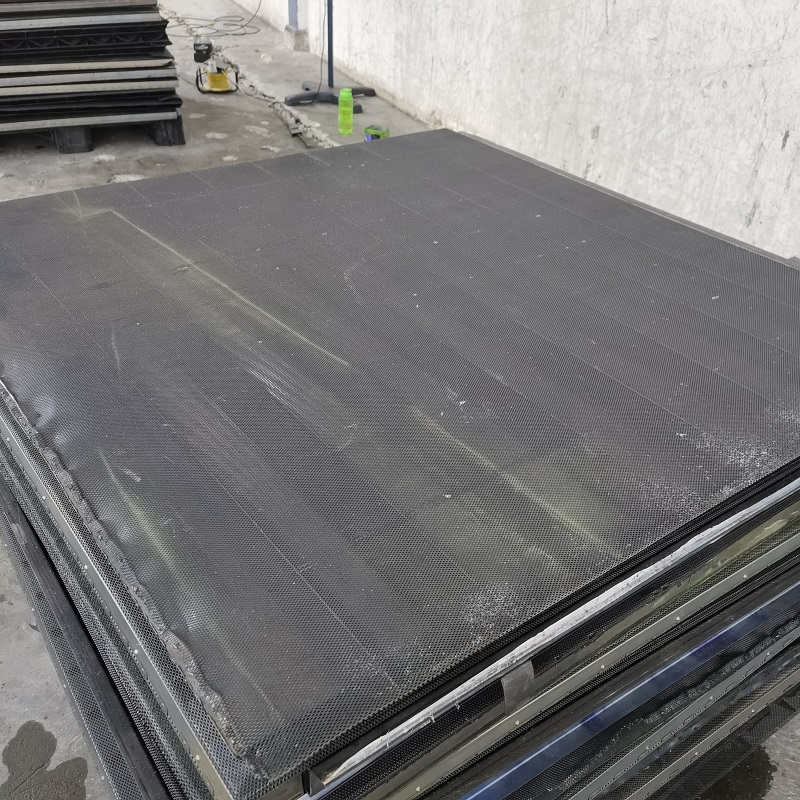
The second is to enhance the electrocatalytic performance. On the one hand, metal oxide coatings have excellent electrocatalytic activity, which can reduce the activation energy of reactions such as oxygen and chlorine evolution, accelerate the reaction rate at the electrode interface, and improve electrolysis capacity; On the other hand, the coating has good reaction selectivity, which can suppress the occurrence of side reactions and promote the targeted reaction in a targeted manner. In the electroplating industry, appropriate coatings can optimize metal ion deposition conditions, reduce impurity co deposition, and improve coating uniformity and product quality.
The third is to enhance the corrosion resistance and protection capability. Under electrolysis conditions, the electrolyte is mostly composed of acid, alkali, and salt systems, and the corrosive environment is harsh. The metal oxide coating acts as a dense protective barrier, isolating the electrolyte from direct contact with the titanium substrate and preventing corrosion damage to the substrate. The coating has strong chemical stability and can withstand long-term corrosion from various electrolytes, maintain the integrity of the electrode structure, extend the service life of the anode, and ensure the long-term stable operation of the electrochemical system.
The fourth is to ensure the stability of electrode size. The metal oxide coating of Baoji's Olympic bid is firmly bonded to the titanium substrate, with strong adhesion. Under long-term electrification, electrolyte erosion, and thermal cycling, it is not easy to cause problems such as peeling, detachment, and swelling. The electrode is not prone to deformation, maintaining good dimensional stability, ensuring a constant electrode distance in the electrolytic cell, reducing cell pressure fluctuations, and maintaining stable electrolytic conditions.
The fifth is to reduce the reaction overpotential and save energy consumption. Overpotential is an important source of electrical energy loss in the electrolysis process. Metal oxide coatings can effectively reduce the overpotential of chlorine and oxygen evolution reactions, reduce the consumption of ineffective electrical energy, and improve energy utilization efficiency. For large-scale continuous production enterprises, long-term use of low overpotential anodes can significantly reduce power consumption and compress production costs.
In addition to the performance advantages during use, the coated titanium anode after failure also has high recycling value. The coating contains rare and precious metals such as ruthenium and iridium, which have scarce reserves and are difficult to mine. Even if the anode fails, there are still considerable precious metal components remaining in the coating, which can be stripped and purified through professional processes and reused for the preparation of new anode coatings; The titanium substrate itself can also be recycled and reprocessed, and after treatment, it can be reused as an anode substrate. Carrying out titanium anode recycling can not only create direct economic benefits, offset some of the procurement costs of new electrodes, but also reduce resource consumption and pollutant emissions caused by rare and precious metal mining and smelting, form a closed-loop utilization of resources, and balance economic benefits, resource benefits, and environmental benefits.