

 8613480627251
On October 6, thyssenkrupp Uhde Chlorine Engineers announced the construction of its first company-operated, centralized electrolyzer cell assembly center in Europe, to be located in Vila Nova de Gaia, Portugal.
Spanning over 7,500 square meters, the facility involves a total investment of €10 million to €14 million, with approximately €3.7 million in funding secured through Portugal’s "COMPETE 2030" program. Construction is scheduled to begin in the winter of 2026, with assembly operations slated to commence in 2028.
I. Centralized Electrolyzer Cell Assembly to Advance Green Hydrogen Projects
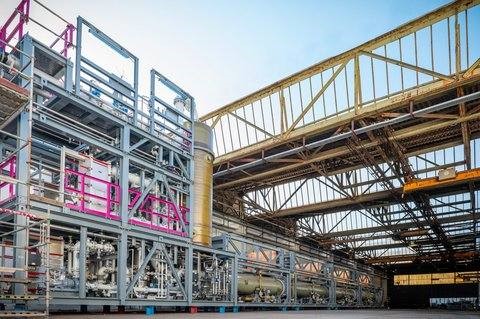
Initially, the new center will focus on the assembly of cells for alkaline water electrolysis systems. It will feature standardized, semi-automated production lines capable of processing multiple cell units simultaneously.
The company’s "Scalum" standardized alkaline electrolysis units each have a capacity of 20 megawatts (MW). Previously, these cell components were assembled in decentralized workshops located near individual customer project sites. The new center will centralize these assembly processes, thereby enhancing the efficiency of equipment production and delivery.
II. 300 MW Electrolysis System to Support Green Hydrogen Project in Spain
The new assembly center is intended to serve electrolysis projects across Europe and the surrounding regions, while also providing maintenance and replacement services for electrolyzer cells during their operational lifespan.
The first units assembled at the facility are earmarked for the "Onuba" green hydrogen project, developed by the Spanish energy company Moeve. This project is part of the first phase of the Andalusian Green Hydrogen Valley.
thyssenkrupp Uhde Chlorine Engineers has secured a contract for the engineering, procurement, manufacturing, and supply of a 300 MW alkaline electrolysis system for this project, which will consist of 15 standardized 20 MW electrolyzer units. The project is planned to have an annual production capacity of approximately 45,000 tons of green hydrogen; Moeve reached a final investment decision in March 2026.
III. What is the relationship between an electrolyzer and a titanium anode?
An electrolyzer is the core piece of equipment that uses electrical energy to drive electrochemical reactions. It typically contains electrodes, an electrolyte (liquid or solid), a separator or membrane assembly, and the necessary structural and power-supply components. A titanium anode is a type of electrode component used in certain electrolysis equipment—specifically in electrochemical processes that demand high corrosion resistance and specific electrode performance.
It should be noted that electrode materials vary depending on the electrolysis technology employed. For example:
Alkaline water electrolysis for hydrogen production: Electrodes are generally made from nickel-based or other compatible materials, depending on the equipment design and operating conditions; it cannot be assumed that all such anodes are made of titanium.
Chlor-alkali electrolysis: Anodes often consist of a titanium substrate coated with oxides of precious metals, such as ruthenium or iridium. The titanium substrate provides structural support, while the functional coating participates in the electrochemical reaction.
Other industrial electrolysis and electrochemical treatment processes: Some equipment utilizes titanium mesh, plates, or tubes as a substrate, often coated with platinum, ruthenium-iridium, or other materials tailored to specific process requirements.
Therefore, when an electrolyzer undergoes maintenance or is decommissioned, the presence of recoverable titanium anodes or electrode materials containing precious metals depends on the equipment’s intended use, internal structure, and the specific materials used—it cannot be determined solely by the term "electrolyzer."
IV. Recycling of decommissioned electrolyzers and titanium anodes containing precious metals
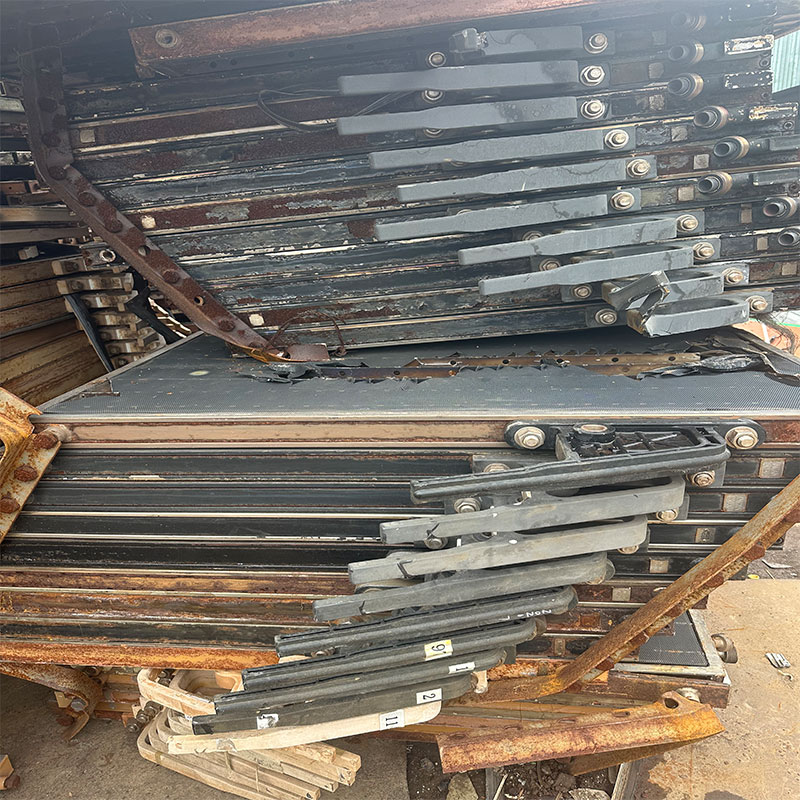
After long-term operation, electrolyzers may undergo maintenance, replacement, or dismantling due to equipment upgrades, the aging of internal components, or process adjustments. In equipment containing titanium anodes, the retired electrodes—even if the coating has worn away or partially peeled off—may still hold value for precious metal recovery, depending on the amount of residual coating and the concentration of precious metals present. Dongguan J&F Precious Metal Trading Co., Ltd. specializes in the recycling of industrial electrolytic cells and related electrode scrap. We primarily evaluate the following materials:
Titanium anode, mesh, plate, and tube scrap
Titanium electrodes with ruthenium-iridium, iridium, or platinum coatings
Components containing precious metals recovered from the dismantling of chlor-alkali electrolytic cells or other industrial electrolysis equipment
Other industrial electrode materials containing precious metals such as platinum, ruthenium, or iridium
If you have used electrolytic cells, decommissioned titanium anodes, or bulk electrode scrap for recycling, please provide details regarding the equipment's original application, photographs of the materials, quantity, actual weight, and any available composition analysis data. J&F will assess the items based on material type, coating condition, and analysis results to determine an appropriate recycling plan and price offer.