
 86-13480627251

 Global Hotline

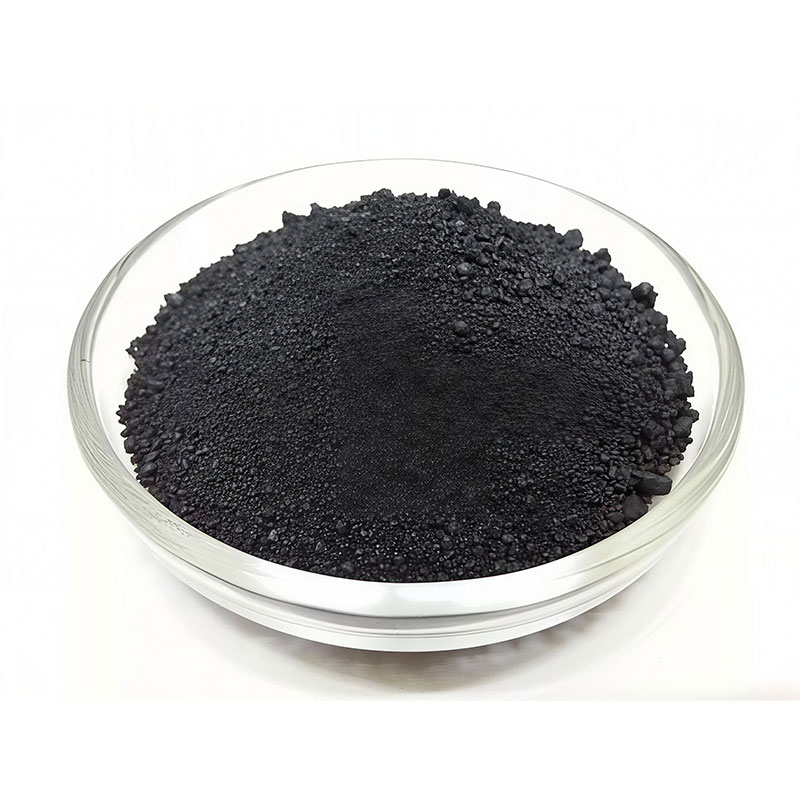
Ruthenium Scrap Recycling
Professional Buyer of Ruthenium-Bearing Scrap
J&F specializes in precious-metal scrap recycling, including ruthenium powder, ruthenium oxide, spent ruthenium catalysts and selected ruthenium-bearing industrial materials.
Ruthenium is used in chemical catalysts, electronic materials, electrical contacts and coated titanium electrodes. Depending on the ruthenium content, material condition and recovery process, certain industrial scrap materials may have recoverable precious-metal value.
1. Types of Ruthenium Scrap We Consider
-
Ruthenium Powder: Ruthenium metal powder and production residues.
-
Ruthenium Oxide: Ruthenium oxide powder and eligible ruthenium-bearing compounds.
-
Ruthenium Catalysts: Spent catalysts and catalyst residues containing ruthenium.
-
Ruthenium-Coated Titanium Mesh: Used or damaged Ru-coated titanium mesh and electrode materials.
-
Ru-Ir Coated Titanium Electrodes: Selected ruthenium-iridium coated titanium mesh, plates and anodes.
-
Electronic Materials: Selected ruthenium-bearing electronic components and manufacturing residues.
-
Industrial Process Residues: Eligible ruthenium-bearing powders, sludges and filtration residues.
Acceptance depends on verified composition, material condition, quantity and the available recycling route.
2. Where Does Ruthenium Scrap Come From?
Ruthenium-bearing scrap may originate from:
-
Chemical catalyst manufacturing and replacement
-
Chlor-alkali and electrochemical industries
-
Industrial wastewater treatment equipment
-
Coated titanium electrode manufacturing and maintenance
-
Electronics and electrical component production
-
Precious-metal processing and refining
-
Industrial filtration and production residues
We welcome inquiries from manufacturers, industrial facilities, maintenance contractors and qualified recycling partners with verifiable material sources.
3. What Determines the Recycling Value?
The value of ruthenium scrap depends on:
-
Ruthenium content: Verified concentration is a key pricing factor.
-
Material type: Metal powder, oxide, catalysts and coated electrodes require different evaluation methods.
-
Other precious metals: Ru-Ir coatings may contain both ruthenium and iridium, which should be assessed separately.
-
Base materials and contamination: Titanium substrates, catalyst carriers and other impurities affect processing costs.
-
Net weight: Quantity and batch consistency influence commercial evaluation.
-
Testing and refining costs: Sampling, analysis, processing and logistics may affect the final offer.
-
Market conditions: Ruthenium prices fluctuate, so quotations depend on the applicable pricing date and agreed terms.
Visual appearance alone cannot reliably establish ruthenium content. Material certificates or suitable analytical reports can help improve evaluation accuracy.
4. How to Request a Quote
Please provide:
-
Material type and known ruthenium content
-
Clear photos or videos
-
Estimated quantity and net weight
-
Assay report or chemical analysis, if available
-
Material condition and source
-
City and country of the material
J&F will review the information and advise on the next evaluation steps. Final acceptance and pricing are subject to material verification.
Contact J&F for Ruthenium Scrap Recycling
Have ruthenium powder, ruthenium oxide, spent catalysts or ruthenium-coated titanium electrodes?
Contact J&F with your material details for an initial assessment.
Send us your photos, quantity and available assay report to begin the evaluation process.