

 86-13480627251

 Global Hotline
Nickel-Based Superalloy Scrap Recycling
Professional Buyer of Nickel-Based High-Temperature Alloy Scrap
J&F specializes in the recycling and sourcing of nickel-based superalloy scrap, high-temperature alloy components and selected industrial metal residues. We work with suppliers, manufacturers, machining companies, aerospace-related businesses and industrial recycling partners to evaluate recyclable alloy materials.
Nickel-based superalloys are engineered to maintain their mechanical strength and oxidation or corrosion resistance under demanding operating conditions. Depending on the alloy grade and composition, these materials may contain nickel, cobalt, chromium, molybdenum, tungsten, tantalum, niobium, rhenium and other alloying elements.
Certain grades may also contain rhenium or other strategically valuable metals. However, the actual recovery value depends on the verified chemical composition, material condition, quantity and applicable recycling process.
J&F welcomes inquiries for nickel-based superalloy scrap, retired turbine blades, aerospace alloy components and high-temperature alloy machining residues. Final acceptance and pricing are subject to material identification and evaluation.
1. Types of Nickel-Based Superalloy Scrap We Source
We consider a range of nickel-based and cobalt-based high-temperature alloy materials, subject to grade verification and material assessment.
1.1 Aircraft Engine and Industrial Turbine Blade Scrap
-
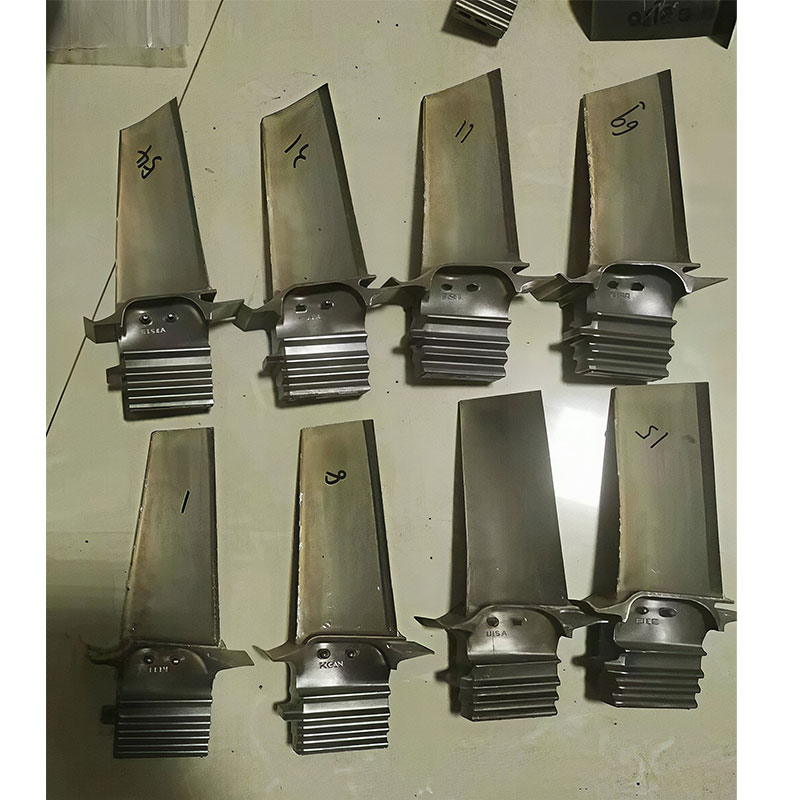
Retired aircraft engine turbine blades
-
Gas turbine blade scrap
-
Used high-temperature turbine components
-
Nickel-based turbine blade offcuts
-
Decommissioned or surplus turbine alloy parts
Turbine blades may contain complex alloy compositions and, in some grades, rhenium or other valuable alloying elements. Their recycling potential should be assessed based on the specific alloy grade and verified composition.
1.2 Nickel-Based Superalloy Scrap
-
Nickel-based high-temperature alloy offcuts
-
CNC machining chips and turnings
-
Alloy plate, bar and component offcuts
-
Rejected or surplus alloy components
-
Production scrap from high-temperature alloy manufacturing
Where possible, keep different grades separated and provide material certificates to improve identification and evaluation accuracy.
1.3 Representative Alloy Grades
Depending on availability and verification, we may evaluate materials identified as:
-
René 80
-
René 125
-
René N5
-
René N6
-
INCO 738
-
INCO 713C
-
MAR-M 247
-
PWA 1480
-
CMSX-4
-
HS-25 / Haynes 25
-
Other nickel-based or cobalt-based high-temperature alloys
This list is provided for material identification purposes and does not mean every grade or form is automatically accepted. Please confirm the exact designation, manufacturer specifications and material condition before shipment.
2. Industries and Sources
Nickel-based superalloy scrap may originate from:
-
Aerospace and aircraft engine maintenance
-
Gas turbine manufacturing and servicing
-
Industrial turbine maintenance
-
High-temperature alloy casting and machining
-
Precision component manufacturing
-
Alloy research, testing and production
-
Industrial equipment replacement and decommissioning
We welcome inquiries from factories, component suppliers, machining facilities, maintenance contractors and qualified scrap dealers with traceable material sources.
3. Why Proper Alloy Identification Matters
Different superalloy grades can vary significantly in nickel, cobalt, chromium, tungsten, tantalum, molybdenum and rhenium content.
For accurate evaluation, the following factors are important:
-
Alloy grade: The original designation and material specification.
-
Chemical composition: Material certificates or suitable analytical results, where available.
-
Material form: Blades, castings, solid parts, plates, bars, chips or mixed scrap.
-
Condition: Clean, oxidized, coated, contaminated or mixed with other metals.
-
Quantity: Net weight, packaging details and consistency of supply.
-
Traceability: Available ownership, source and shipment documentation.
Do not assume that every nickel-based turbine blade contains rhenium or that all high-temperature alloy scrap has the same recovery value. Composition and grade verification are essential.
4. Our Superalloy Scrap Recycling Process
Step 1: Submit Material Information
Send clear photos or videos of the scrap, together with the estimated quantity, alloy grade and material source.
Step 2: Preliminary Material Review
Our team reviews the material form, visible condition, grade documentation and potential recycling route.
Step 3: Composition and Grade Verification
Where necessary, further material testing or independent verification may be required before a final quotation can be considered.
Step 4: Commercial Evaluation
The evaluation considers verified composition, net weight, material condition, processing requirements, logistics and current market factors.
Step 5: Shipment and Final Settlement
Shipping arrangements and settlement terms are agreed upon before the transaction proceeds. Final terms depend on the material assessment and the parties' agreement.
5. Why Contact J&F?
-
Industrial scrap focus: We handle inquiries involving high-temperature alloys and selected metal-bearing industrial residues.
-
Grade-based assessment: We encourage alloy identification and supporting documentation instead of relying on appearance alone.
-
Multiple material forms: We can review inquiries involving turbine blades, alloy components, machining residues and production offcuts.
-
Practical evaluation: Material condition, composition, quantity and logistics are considered together.
-
Inquiry-based service: Send your material details for an initial review before arranging shipment.
Acceptance is subject to material verification, commercial terms and applicable regulatory requirements.
6. Request a Quote for Nickel-Based Superalloy Scrap
To help us evaluate your material, please provide:
-
Material type: Turbine blades, alloy components, machining residues or other superalloy scrap.
-
Alloy grade: Exact grade or designation, if known.
-
Quantity: Estimated net weight and available lot size.
-
Photos or videos: Clear images of the overall material and any identification markings.
-
Chemical analysis: Material certificate or test report, if available.
-
Condition: Clean, oxidized, coated, mixed or contaminated.
-
Location: City and country, plus intended shipment arrangements.
Contact J&F for Nickel-Based Superalloy Scrap Recycling
If you have nickel-based superalloy scrap, retired turbine blades or other high-temperature alloy materials available, contact J&F with your material details for assessment.
We welcome inquiries from industrial suppliers, manufacturers, maintenance companies and recycling partners.
Send your photos, alloy grade and estimated quantity to start the evaluation process.