

 8613480627251
A titanium anode is an electrochemical electrode consisting of an industrial-grade pure titanium substrate covered with a functional metal oxide coating. These anodes are widely used in fields such as the chlor-alkali industry, seawater desalination, electroplating, electrolytic water treatment, and brine electrolysis. Their performance depends not only on the quality of the titanium substrate but also, crucially, on surface treatment, the coating formulation, and the heat treatment process.
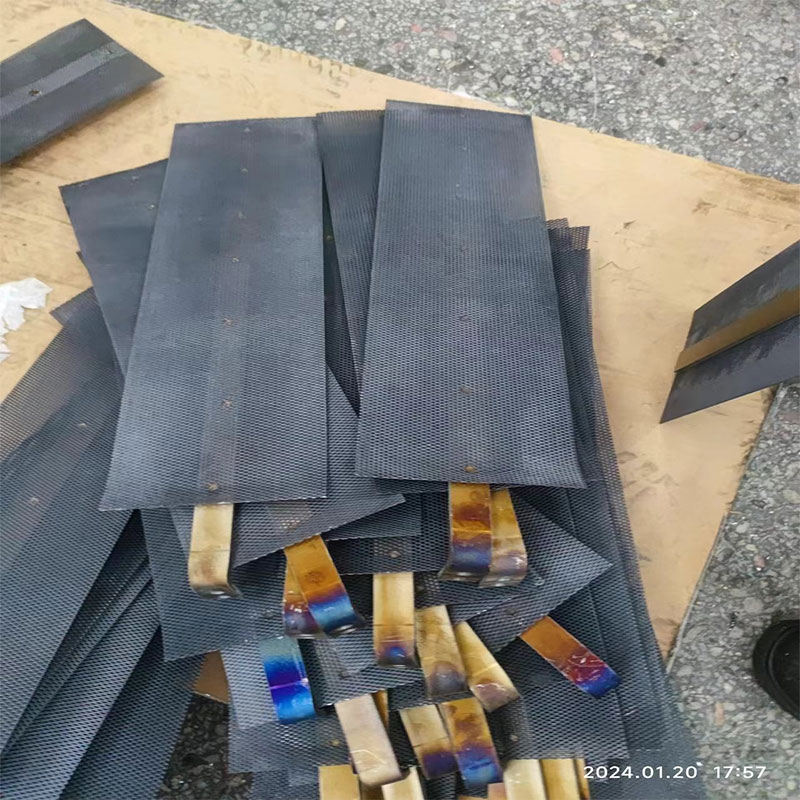
Common titanium anode coatings include ruthenium-based, iridium-based, and platinum-based systems, as well as mixed metal oxide (MMO) coatings such as ruthenium-iridium or iridium-tantalum. Each type of coating offers distinct electrocatalytic activity, corrosion resistance, and suitability for specific operating environments. In general, the production of titanium anode coatings involves the following key steps:
I. Pretreatment of the Titanium Substrate
Before the coating is applied, the titanium substrate must undergo rigorous preparation. Typical substrates include titanium mesh, plates, tubes, or other pre-fabricated titanium electrode shapes.
First, the surface is cleaned to remove oil, dust, and other impurities—often through degreasing and washing. Next, the surface is activated—using methods such as sandblasting, mechanical processing, or chemical etching—to achieve an appropriate level of surface roughness.
This stage is critical; a properly treated titanium surface enhances the bond between the coating and the substrate, reduces the risk of the coating peeling off, and provides a solid foundation for the subsequent coating application.
II. Preparation of the Metal Oxide Precursor Solution
Once the substrate has been pretreated, a coating precursor solution is prepared based on the intended application of the electrode.
For an iridium-tantalum coated titanium anode, for example, metal compounds containing iridium and tantalum are selected as raw materials and mixed with appropriate solvents in specific proportions to create the coating solution. The ratio of iridium to tantalum, along with the stability of the solution, directly influences the composition and performance of the final oxide coating.
Different application scenarios impose different requirements on the coating. For instance, anodes used in chlor-alkali electrolysis, seawater electrolysis, and electrochemical water treatment may have different requirements regarding catalytic activity, corrosion resistance, and reaction selectivity; therefore, specific coating formulations must be employed for each application.
III. Coating Application and Thermal Decomposition
Once the precursor solution is prepared, it is applied uniformly onto the surface of the titanium substrate via methods such as brush coating, dip coating, or other suitable techniques.
This is followed by drying and heat treatment. Under controlled temperature and atmospheric conditions, the precursor undergoes decomposition and transformation, gradually forming a metal oxide coating that is bonded to the titanium substrate.
Thermal decomposition is a common method for preparing coatings on titanium anodes. In actual production, parameters such as temperature, holding time, and atmospheric conditions are determined based on the specific coating system, the structure of the substrate, and the manufacturer’s process requirements.
IV. Multi-layer Coating and Repeated Sintering
To achieve the required coating thickness and composition, the production process typically involves multiple rounds of application, drying, and heat treatment rather than a single-step process, allowing the final coating to be built up incrementally.
Each layer undergoes the necessary processing before the next layer is applied. By carefully controlling the number of coating applications, material ratios, and heat treatment conditions, one can enhance the uniformity, adhesion, and overall stability of the coating.
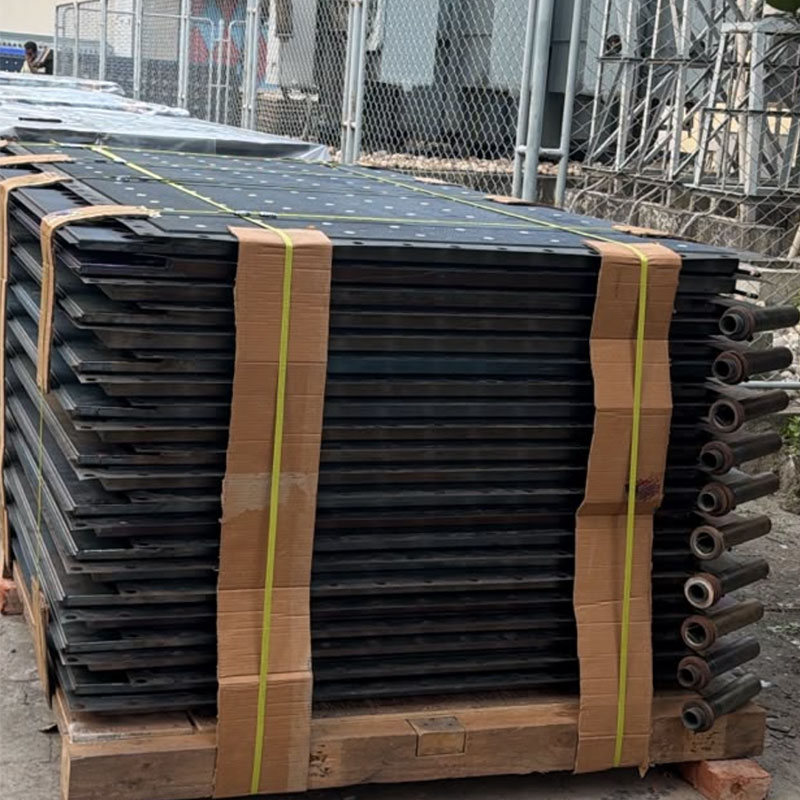
Some high-performance titanium anodes utilize a multi-layer design; for example, the inner layer may be optimized to improve the bond between the substrate and the coating, while the outer layer is designed to meet specific requirements for electrocatalytic activity and corrosion resistance.
V. Finished Product Inspection and Quality Control
Following the final coating step, the titanium anodes undergo quality inspection. Common testing procedures include visual inspection, assessment of coating uniformity and adhesion, and electrochemical performance testing.
These tests allow for the evaluation of the electrode’s catalytic activity, operating potential, and operational stability, ensuring that the product meets the intended application requirements.
VI. Continuous Improvement of Coating Technology
As the electrochemical industry evolves, titanium anode coating technology continues to undergo upgrades and advancements. In addition to traditional ruthenium-, iridium-, and platinum-based coatings, some manufacturers enhance electrode performance through strategies such as multi-layer structural design, adjustments to the proportions of metal oxides, and the incorporation of additional elements.
For instance, the inclusion of elements like ruthenium, tin, or antimony in specific formulations can alter a coating’s electrical conductivity, stability, or electrochemical reaction characteristics. The precise outcome, however, depends on the specific material system and the actual operating conditions.
Spent titanium anodes contain valuable metals—such as iridium, ruthenium, tantalum, and platinum—within their surface coatings, making them suitable for recovery. Dongguan J&F Precious Metal Trading Co., Ltd. specializes in the recycling of titanium anodes and precious metal scrap. The company recovers various materials, including spent MMO (mixed metal oxide) titanium anodes, iridium-tantalum coated titanium mesh, titanium plates, titanium tubes, and other scrap generated from the dismantling of electrolytic cells. The specific recovery value is determined through a comprehensive assessment based on the coating type, precious metal content, the condition of the scrap, and analytical test results.