

 8613480627251
Technical background and material selection
In electrochemical scenarios such as the chlor-alkali industry and hydrogen production through water electrolysis, the cathode mesh, as the core supporting component of the electrolysis reaction, is exposed to a complex and harsh working environment for extended periods. It must withstand the erosion of corrosive media such as strong acids and chlorine gas, resist the scouring of high-pressure fluids and the continuous effects of electrochemical reactions, and simultaneously meet multiple performance requirements including high conductivity, low energy consumption, strong stability, and long lifespan. A single material struggles to fully meet these core demands. However, the nickel-plated ruthenium cathode mesh, with its composite structure design of "nickel substrate + ruthenium plating", achieves a precise balance between performance and practicality, making it the preferred material in the current electrochemical industry.
Nickel substrate: building a reliable support system
As the core supporting structure of the cathode mesh, the nickel substrate provides crucial support for the realization of basic functions.
High conductivity. Nickel has a conductivity of up to 1.4×10⁶ S/m, which enables the construction of efficient current conduction paths in electrolytic reactions, reduces power transmission losses, and lays the foundation for low-energy consumption operation of the reaction system.
Excellent mechanical strength. The tensile strength of nickel ranges from 400 to 600 MPa, which is sufficient to withstand the stress impact brought by the high-pressure environment and fluid erosion in the electrolytic cell. This ensures that the cathode mesh will not deform, break, or fracture during long-term use, thereby guaranteeing the continuous and stable operation of the electrolysis equipment.
Excellent medium compatibility. Nickel exhibits excellent alkali resistance and is well compatible with the alkaline reaction medium in processes such as hydrogen production from electrolyzed water. It is less prone to substrate corrosion and provides a stable foundation for subsequent ruthenium plating, preventing plating detachment due to substrate failure.
Ruthenium plating: endowing with the ability to cope with extreme working conditions
The ruthenium plating layer compensates for the performance shortcomings of the single nickel substrate under extreme conditions, endowing the cathode mesh with special environmental resistance and electrochemical activity.
Enhance chemical stability and long-lasting corrosion resistance. Ruthenium, as a platinum group metal, exhibits extremely strong chemical stability. In the strongly acidic environment and chlorine atmosphere of electrolytic reactions, a dense passivation film of ruthenium oxide quickly forms on its surface. This passivation film is structurally stable and effectively blocks the contact between corrosive media and the nickel substrate, significantly extending the service life of the cathode mesh - compared to the 1-2 year service life of pure nickel mesh, the service life of nickel-plated ruthenium cathode mesh can be extended to 5-8 years, greatly reducing equipment replacement frequency and maintenance costs.
Excellent catalytic activity. Ruthenium exhibits excellent catalytic performance in core electrochemical reactions, particularly in hydrogen evolution reaction (HER) and chlorine evolution reaction (CER), where it can significantly reduce the overpotential of the reaction (typically by 0.1~0.3V), thereby enhancing current efficiency and reaction rate. Taking the chlor-alkali industry as an example, after adopting nickel-plated ruthenium cathode mesh, the electrolysis energy consumption of a single unit can be reduced by 5%~10%, resulting in annual electricity cost savings of up to several million yuan, significantly improving the economic efficiency of industrial production.
Cost-effectiveness: A precise balance between performance and economy
On the balance of performance and cost, the nickel-plated ruthenium structure exhibits irreplaceable comprehensive advantages:
Although pure ruthenium cathode mesh exhibits excellent performance, its production cost is extremely high due to the scarcity of precious metal resources, making it difficult to meet the demands of large-scale industrial applications;
Although pure nickel mesh has a lower cost, its corrosion resistance and catalytic activity are insufficient, making it prone to deactivation under complex working conditions and requiring frequent replacement. In the long run, the cost of use is actually higher;
The nickel-plated ruthenium cathode mesh adopts a precise design of "thin ruthenium layer + thick nickel base". The ruthenium plating layer is only 0.25~25μm thick, minimizing the amount of precious metal while ensuring performance meets standards. Its cost is only about one-third of that of pure platinum plating, yet it achieves catalytic performance close to platinum. At the same time, it is significantly superior to pure nickel mesh in terms of corrosion resistance and stability, perfectly balancing the performance demands of industrial production with economic costs.
Green cycle: resource recovery of scrapped components
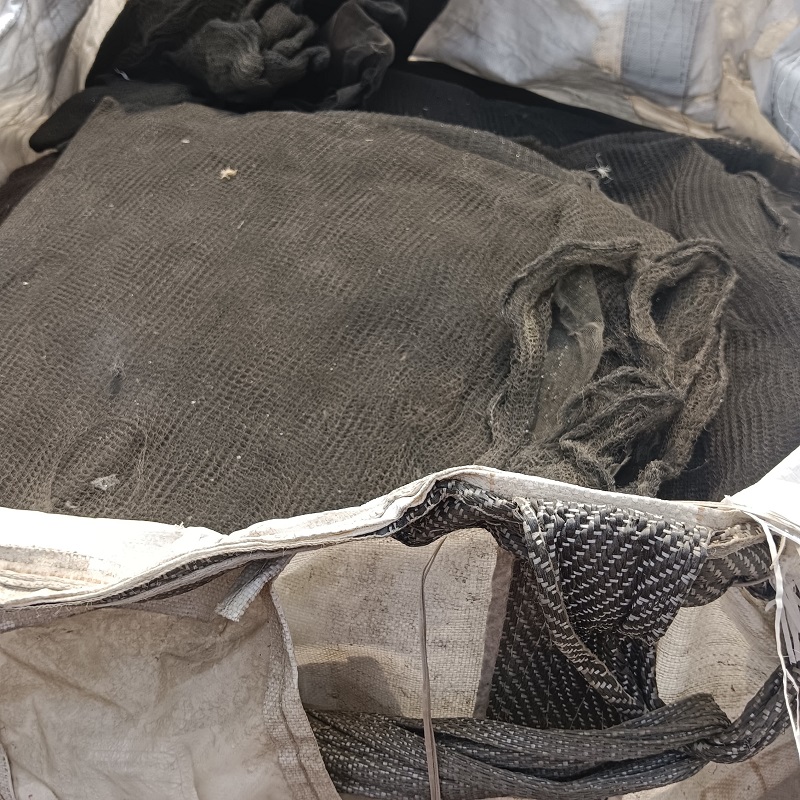
Even after being decommissioned after long-term use, nickel-plated ruthenium cathodes still possess considerable resource recovery value. The surface of the nickel substrate of these scrapped components retains a portion of the ruthenium coating that has not been fully depleted, and its recovery value is primarily determined by the residual ruthenium content - the higher the ruthenium content in the coating, the correspondingly higher the recovery value. According to the current market situation, the recovery price of scrapped nickel-plated ruthenium cathodes typically ranges from several hundred yuan per kilogram.
In industrial practice, these scrapped components are managed as hazardous waste containing precious metals in a standardized manner: enterprises collect them in dedicated sealed containers, clearly marking the composition information, source of generation, and hazardous waste category to avoid leakage pollution during storage and transportation. Subsequently, they are handed over to qualified institutions for recovery of ruthenium resources through processes such as chemical stripping, acid leaching extraction, purification, and refining. The purified ruthenium can be reused to prepare catalysts or other industrial products, achieving the circular utilization of precious metal resources, which not only reduces resource waste but also aligns with the sustainable development concept of green industry.
Conclusion
The nickel-plated ruthenium cathode mesh, with its synergistic design of "nickel substrate + ruthenium coating", achieves an ideal performance balance between conductivity, mechanical strength, corrosion resistance, and catalytic activity. At the same time, it takes into account cost economy and resource recyclability, providing an electrode solution that combines technological progressiveness and economic rationality for electrochemical applications such as the chlor-alkali industry and hydrogen production via water electrolysis.